SELECTED CASE STUDIES + WORKING ARCHIVE
Research the problem.
Lead the work forward.
These projects show what I learned, what the team decided, what we built, and what changed afterward.
FILTER BY DISCIPLINE OR BROWSE BY TYPE ↓All work
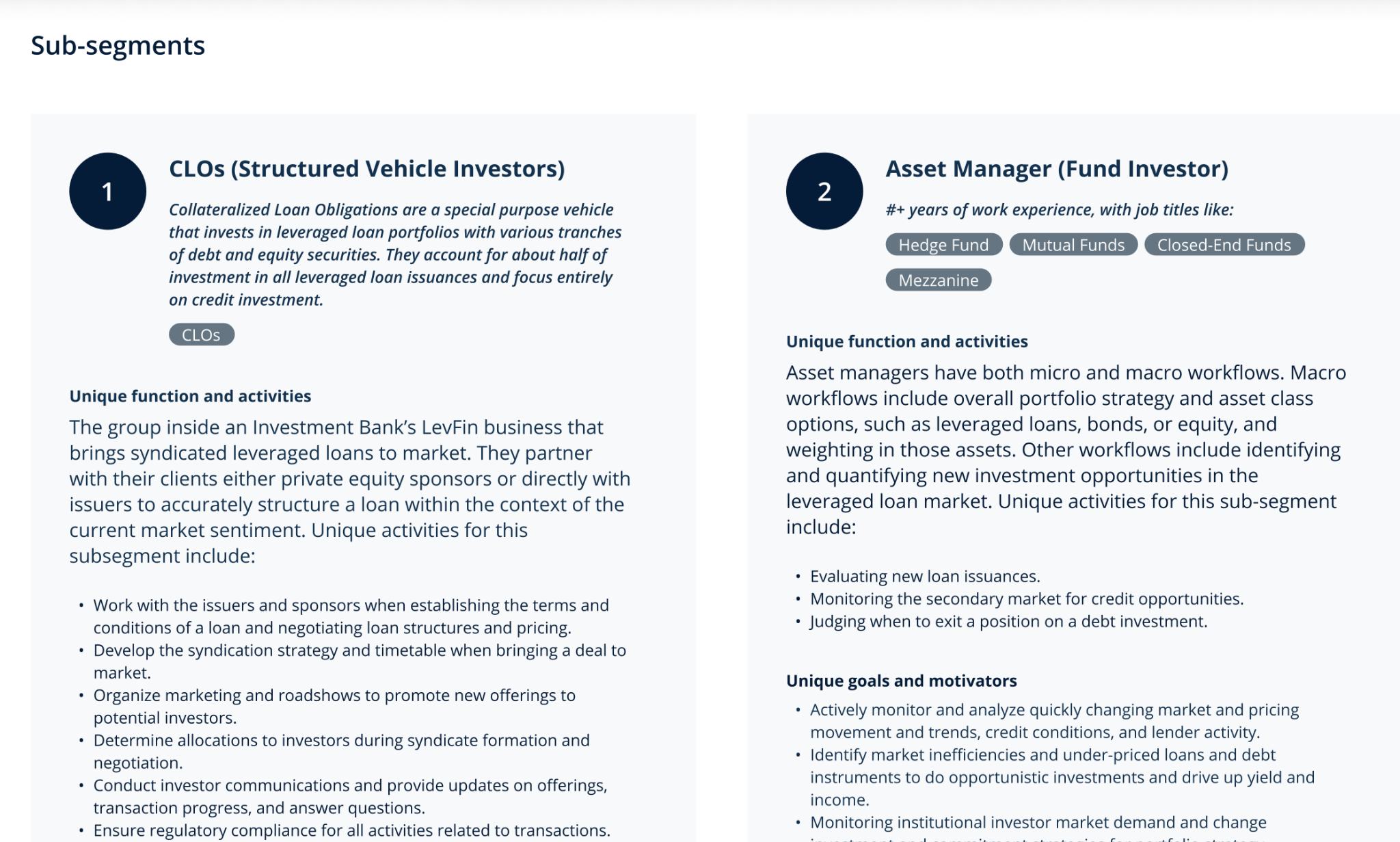
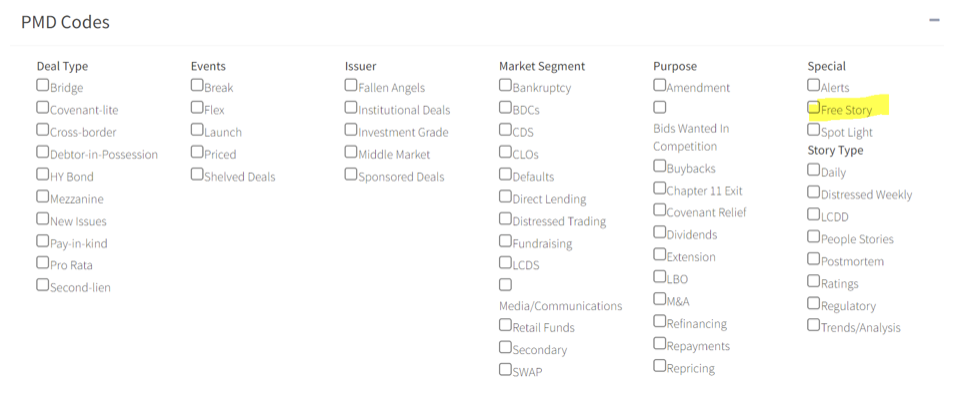
PitchBook’s expansion into private credit required understanding how investment professionals actually evaluate deals, coordinate work, and use information over time. I led research and product strategy that connected those everyday decisions to a clearer platform direction. The work moved from interviews and complete-deal inquiry into models of roles, timing, and agency, then into concepts and a longer-range roadmap. I partnered with design, product, and engineering to make the evidence useful in planning and delivery. This case study follows how research changed the framing of the opportunity and helped teams decide what to build for a complex, continually evolving financial workflow.
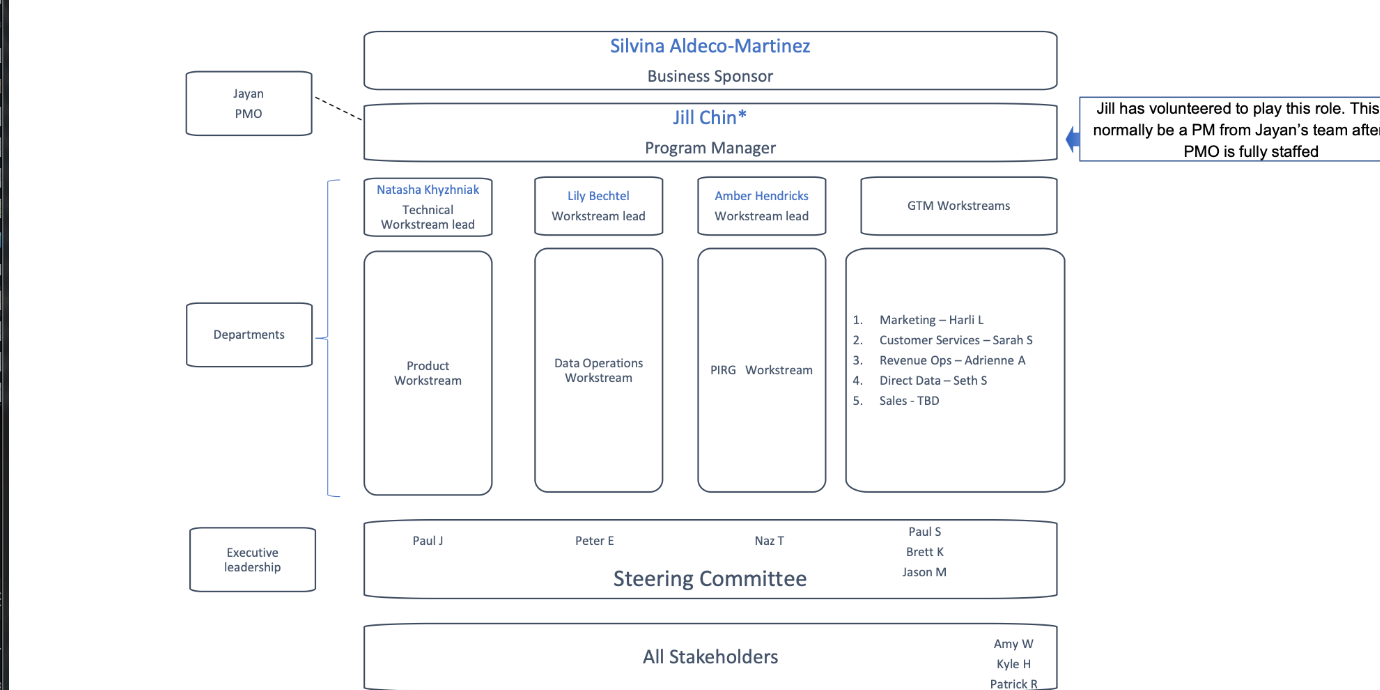
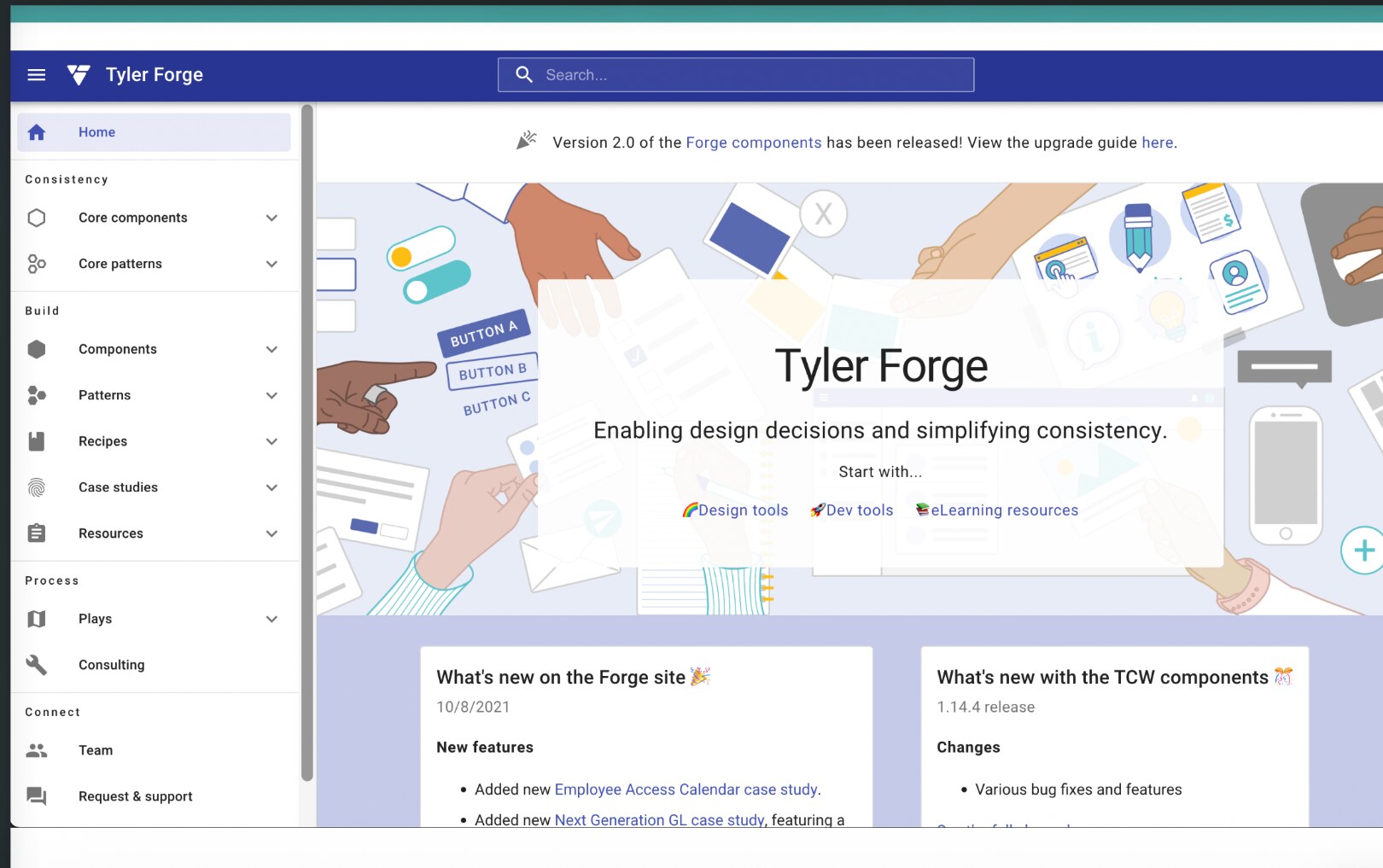
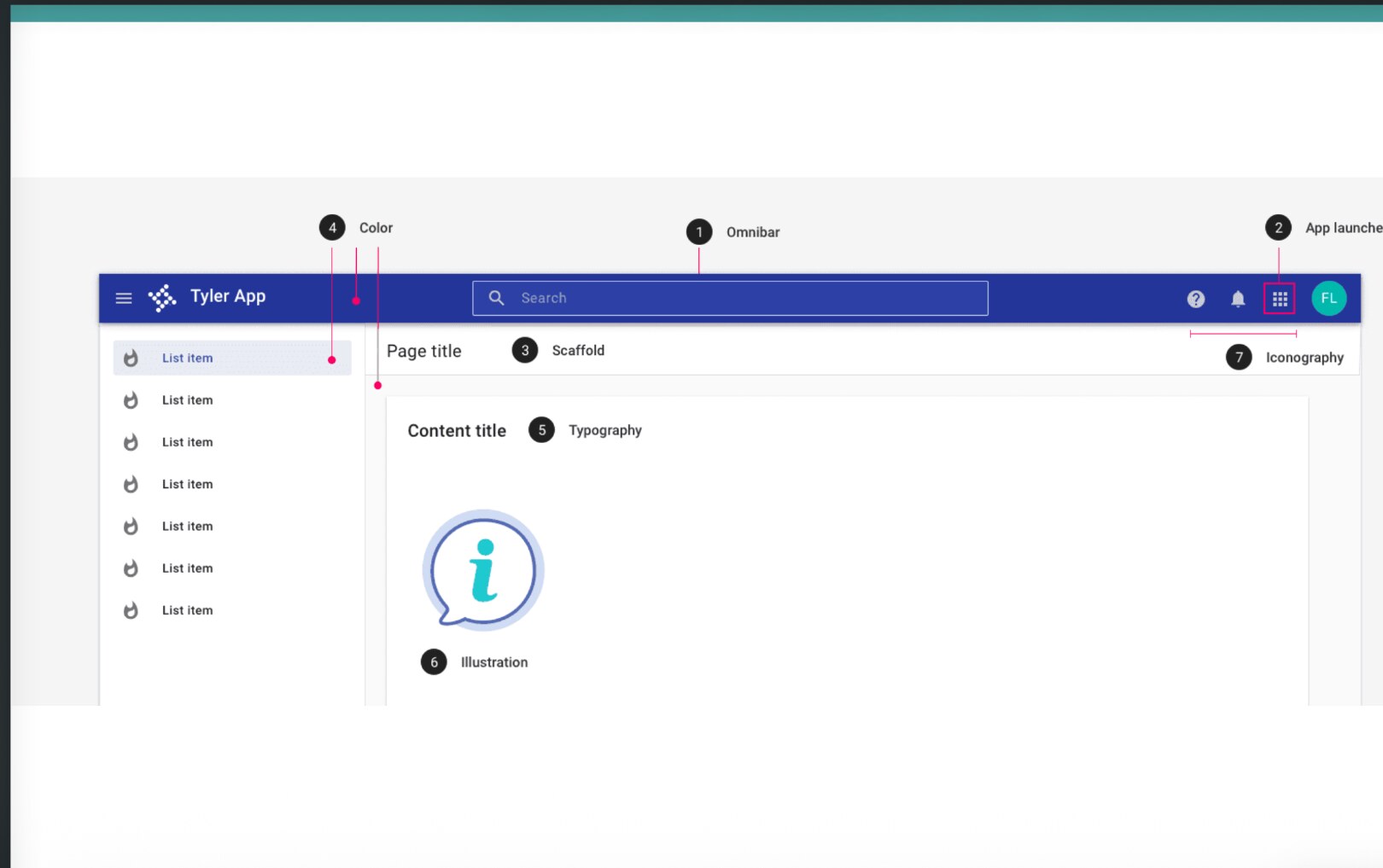
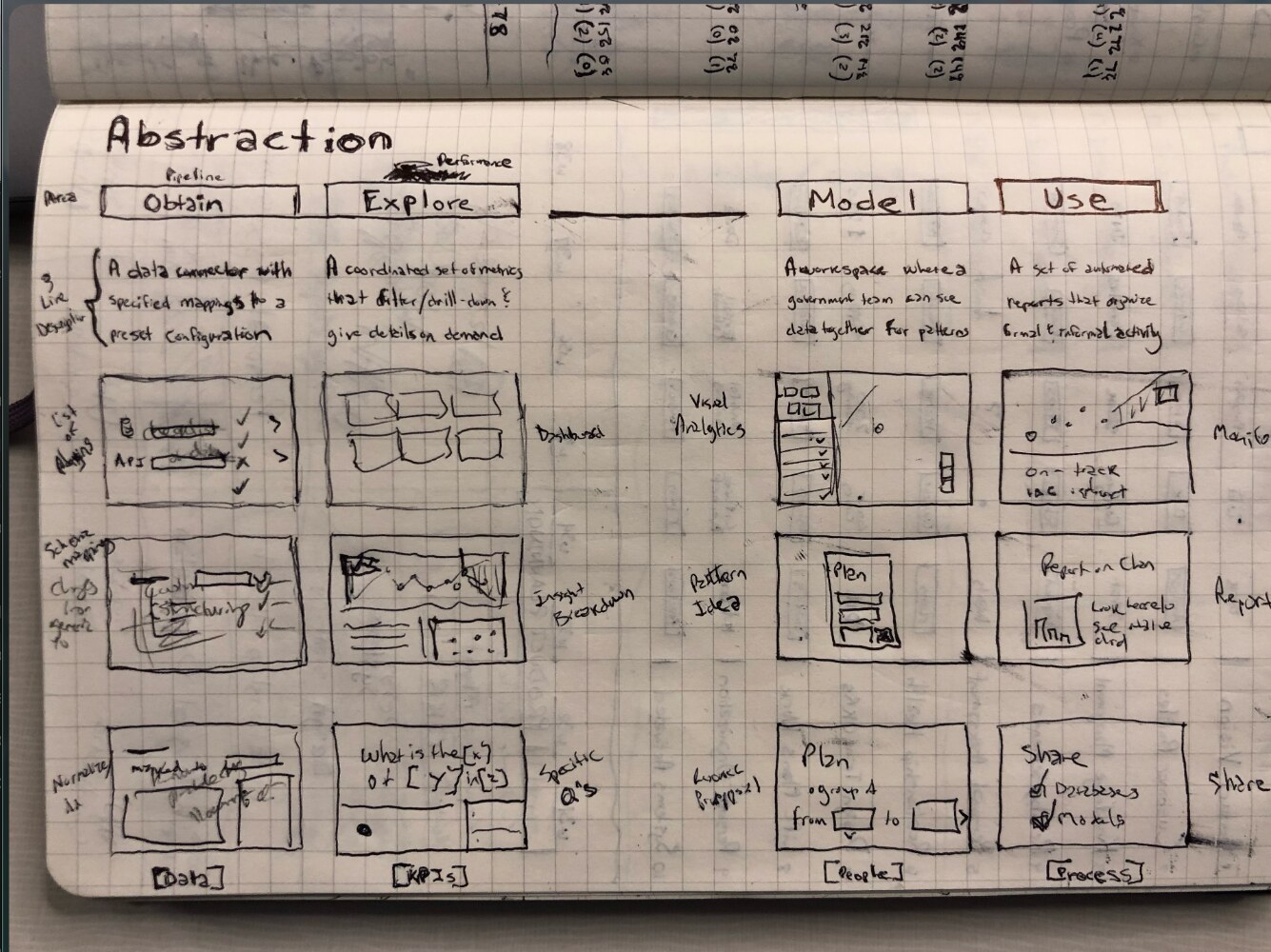
Tyler Forge brought a shared design language and component foundation to a diverse family of civic technology products. After Tyler acquired Socrata, teams had overlapping libraries, conventions, and technical stacks. As Product Research and Design Director, I helped research that landscape, compare systems, frame an MVP, and bring teams together around a contribution model. My team partnered with Corporate UX, engineering, and divisional designers through workshops and a cross-division summit. The resulting direction connected accessible components, documentation, implementation guidance, and a process for requests and releases. The case study explores how shared ownership made the system practical across product boundaries.
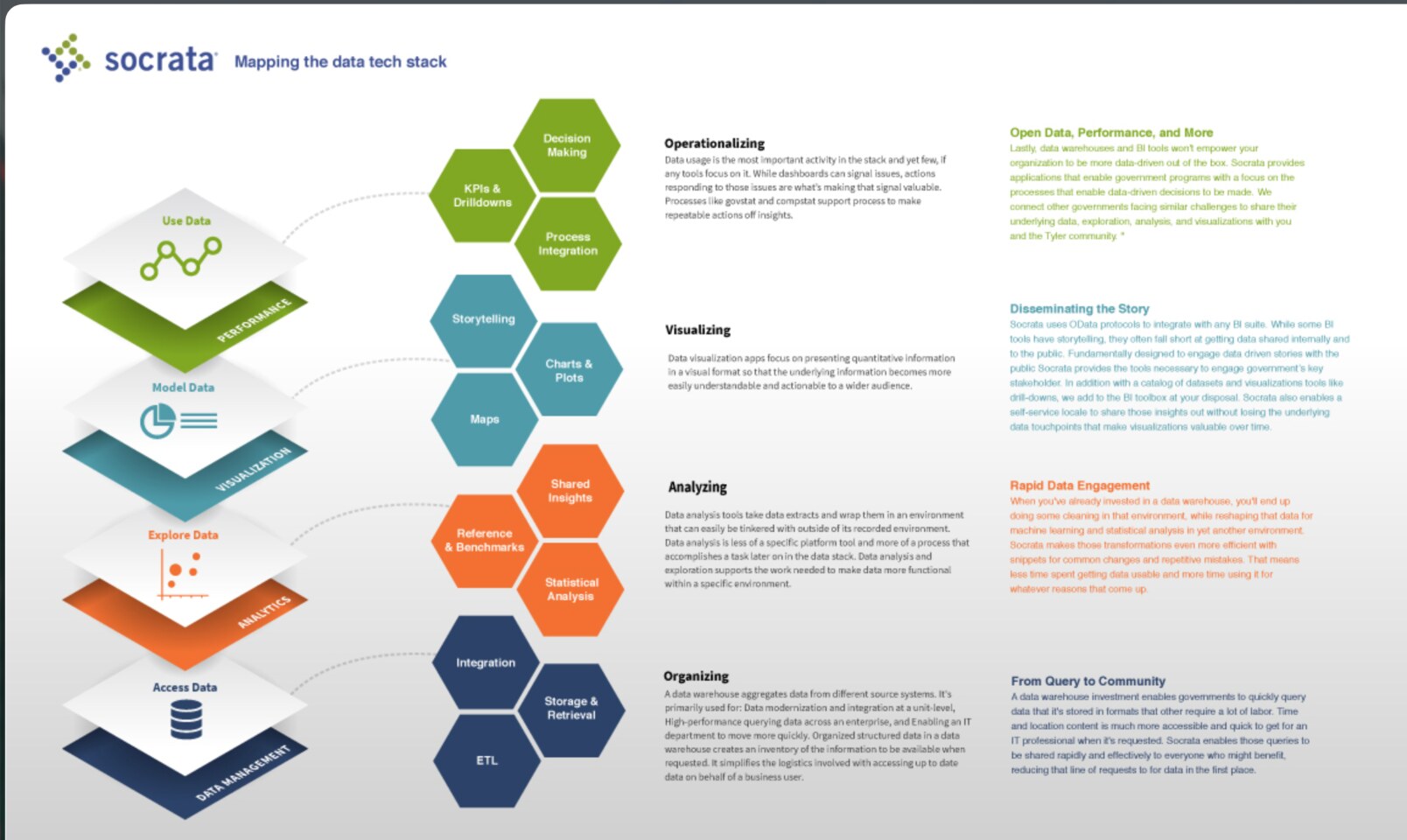
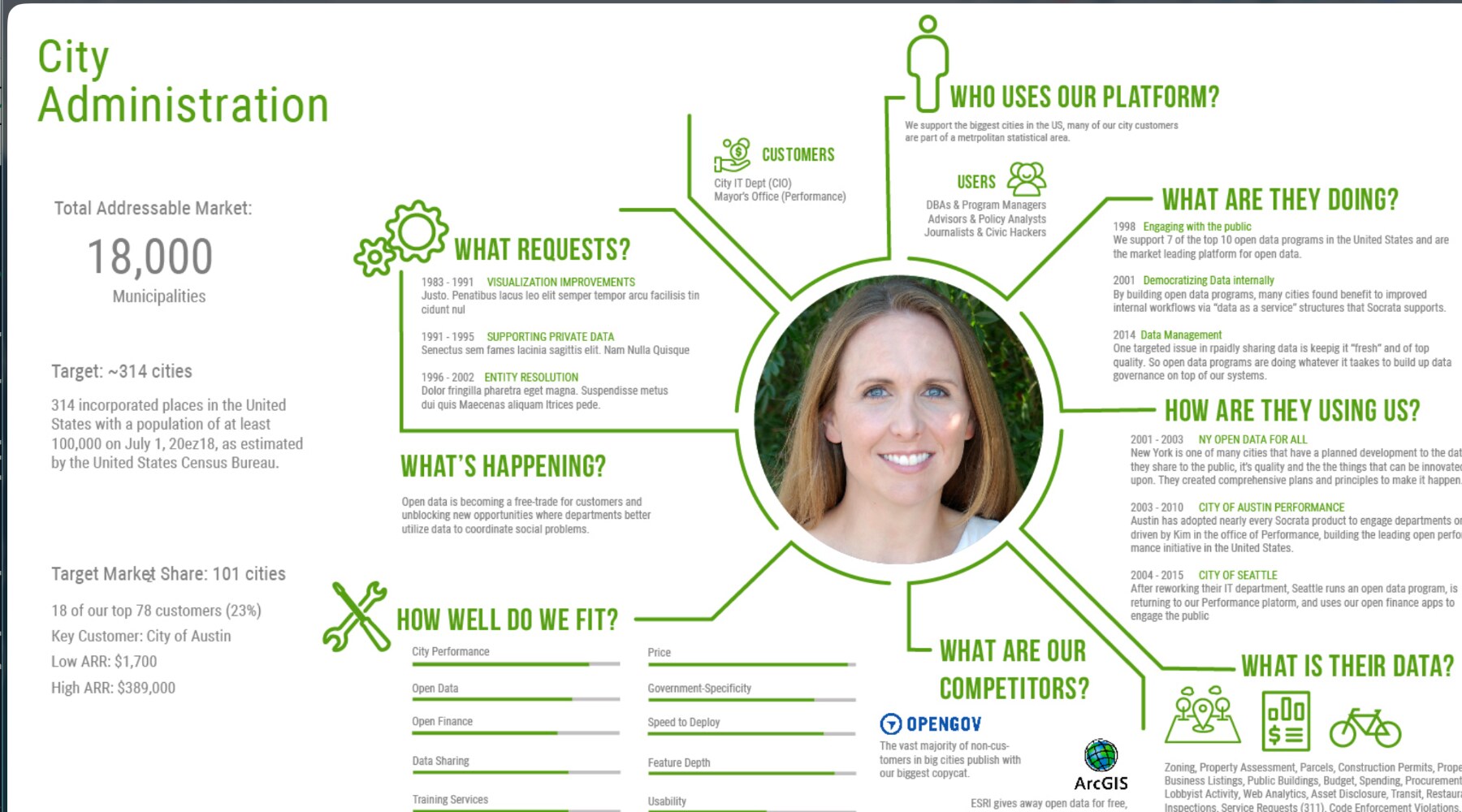
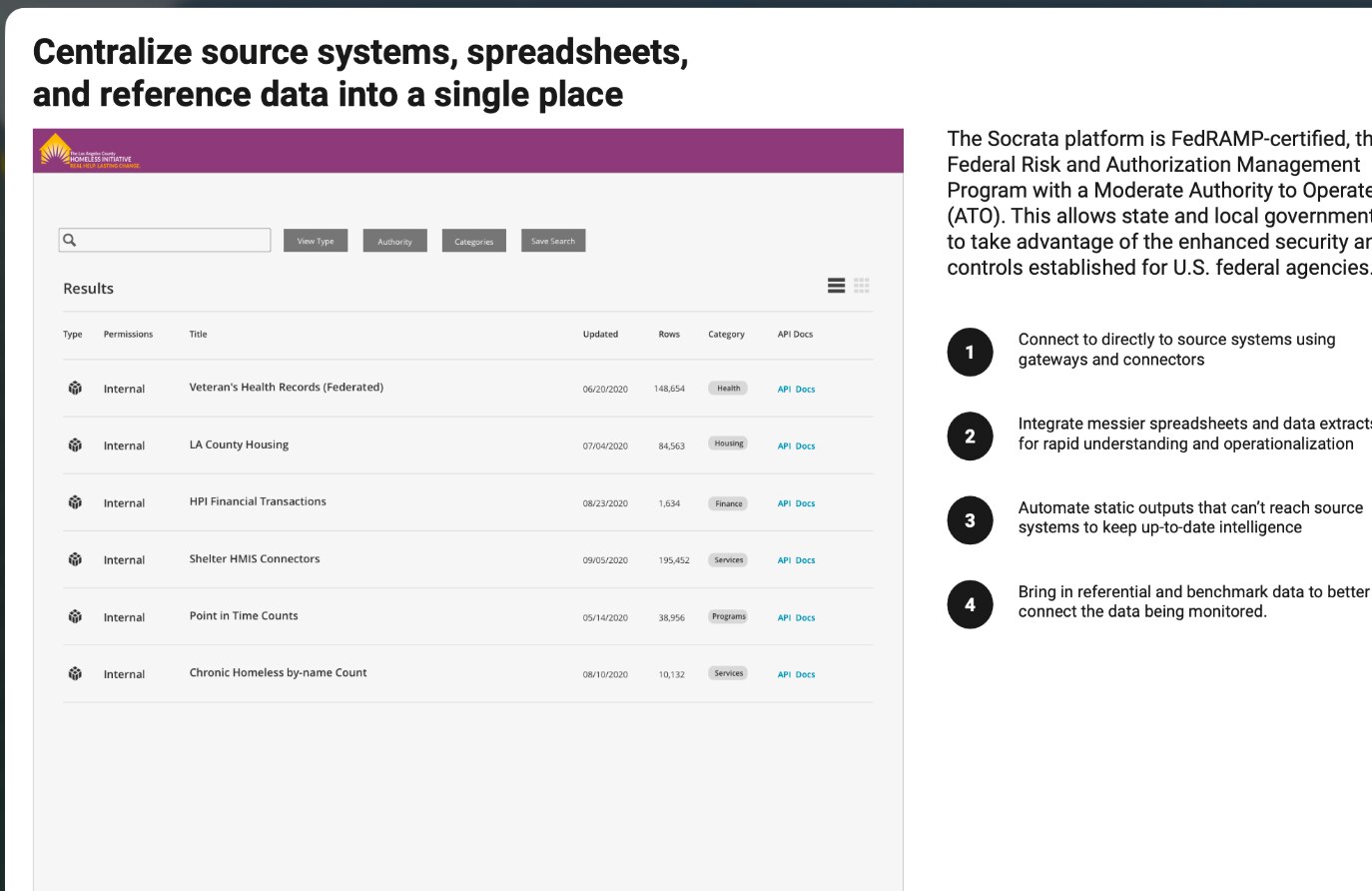
Socrata helped governments publish, explore, analyze, and communicate public data. My work connected that product family while strengthening the research and design practice behind it. Over five years, I moved from Product Design Manager to Director of Product Research and Design, working across data ingress, administration, visualization, platform strategy, and delivery. I combined contextual research and scenario replays with customer feedback, usability studies, analytics, and research operations. Working with product, engineering, customer teams, and government partners, I translated evidence into shared models and actionable product decisions. The case study follows that practice through growth, acquisition, and integration into Tyler Technologies.
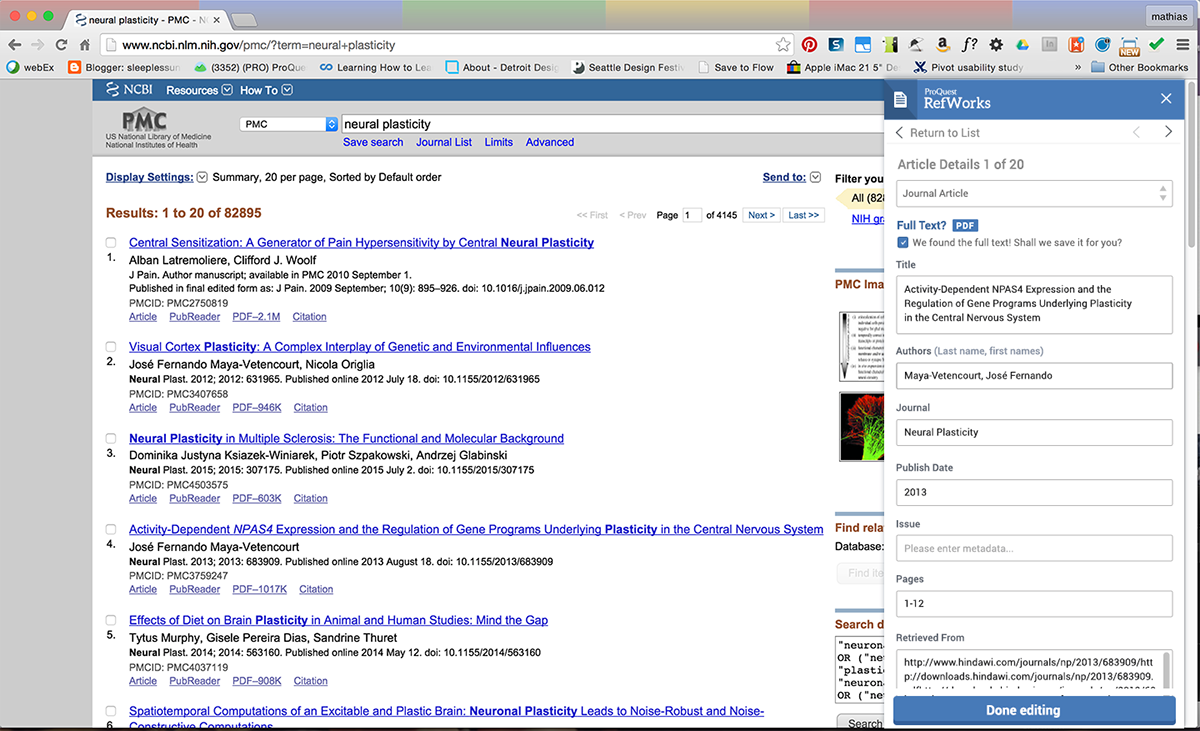
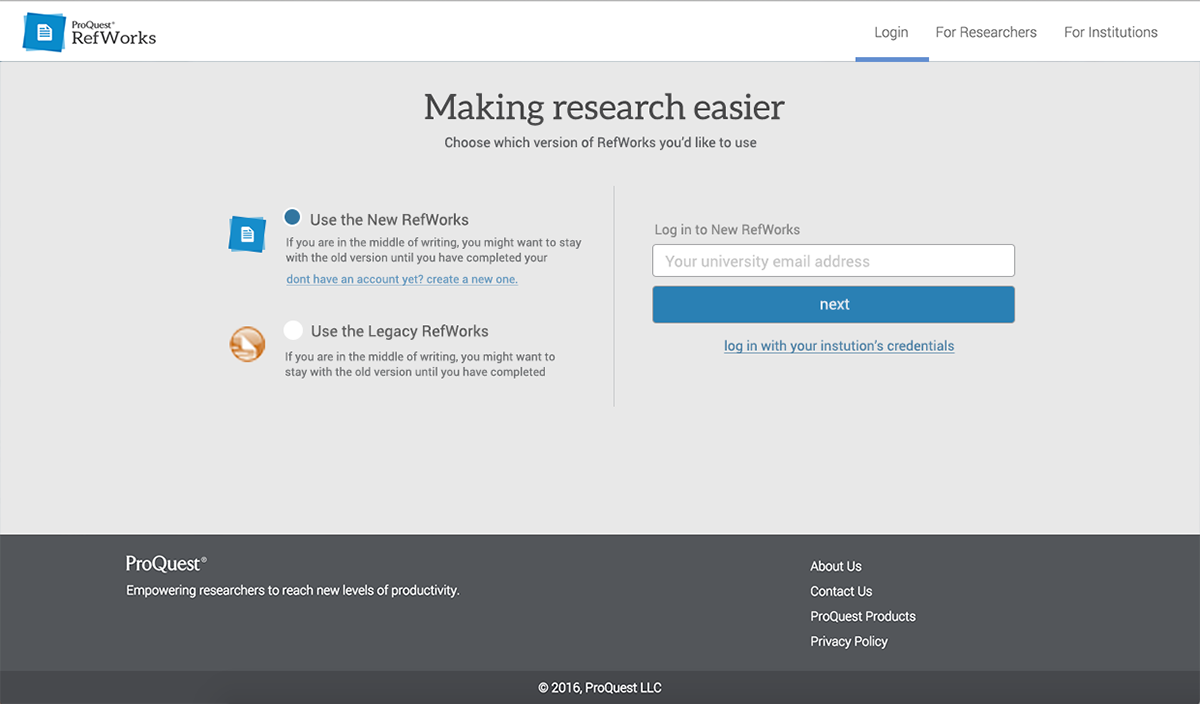
RefWorks was an established citation-management product whose accumulated complexity no longer reflected how researchers worked. I led strategy and design for its relaunch, grounding the redesign in the activities surrounding academic research. Contextual inquiry, qualitative coding, and workflow analysis helped connect individual interface problems to a broader model of finding, organizing, and using sources. I worked with the team to translate that evidence into a clearer product experience and renewed direction for RefWorks 3.0. This case study follows the relationship between field research, synthesis, and design decisions, showing how understanding the research process shaped the tools built to support it.
Government Cloud connected Socrata’s civic-data products into a platform for bringing data in, exploring it, visualizing insights, and adding context. As Product Design Manager, I owned the end-to-end workflow and worked with product management and engineering on launch direction. We mapped government scenarios, built physical story maps, and tested assumptions across departments, data owners, and residents. Scenario testing exposed gaps while there was still time to change the approach. I coordinated design around delivery milestones so the product and its story developed together. The case study traces that work through launch and the acquisition that changed the platform’s next chapter.
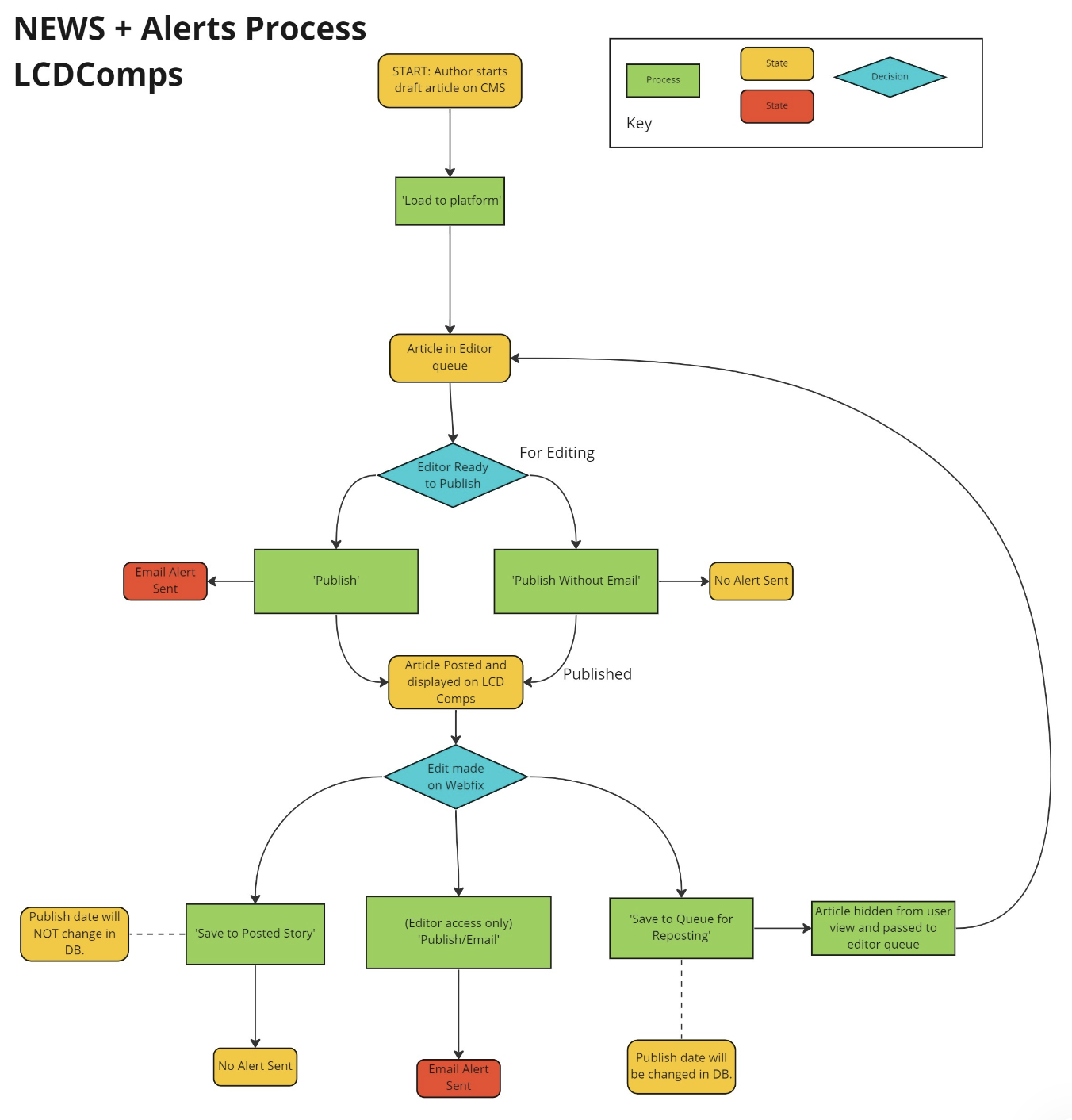
AI Experiments is my working collection of small products built to investigate practical questions and test ideas through use. I frame each experiment, make a tangible prototype, inspect the result, and decide what deserves another iteration. The work spans personal systems, civic information, learning tools, and creative practice. Rather than treating generation as the finish, I use research, fact checking, and reflection to shape what gets built and what changes next. The case study introduces that practice and connects to the project index, where individual experiments document their purpose, current state, and the learning that comes from making them usable.
I helped move the design team’s employee Net Promoter Score from −23 to above 30 in six months. We set clear goals for each group, assigned designers to specific parts of the platform, and grew from about eight to 24 designers over two years.
Strategy / 2022—2024I worked on open-data platforms supporting cities including Seattle, Los Angeles, Chicago, and New York. I collaborated with customers and civic-technology communities to help them gain value from public data and build useful tools with it.
New product launch / 2017—2022I helped integrate Socrata into the Tyler Technologies platform after its 2018 acquisition.
Design Systems / 2019—2022I led the strategy and design of RefWorks 3.0, replacing a 20-year-old product that had helped lead the citation-management market.
Product story / 2015—2017I helped launch a multi-module learning product that taught students in grades 9–12 how to form questions, evaluate sources, use evidence, and complete a first research paper. The recovered archive spans product strategy, student and teacher research, instructional content, scripts, storyboards, visual assets, animation projects, narration, and final exports.
Product concept / PROQUEST- My contribution
- Designed the Research Companion logo. Helped shape the product direction and learning experience connecting research guidance, source evaluation, and the broader student workflow.
- Evidence status
- ARCHIVE RECOVERED
Methods + modes- Student + teacher research
- Journey mapping
- Content strategy
- Curriculum modeling
- Product concept development
- Production systems
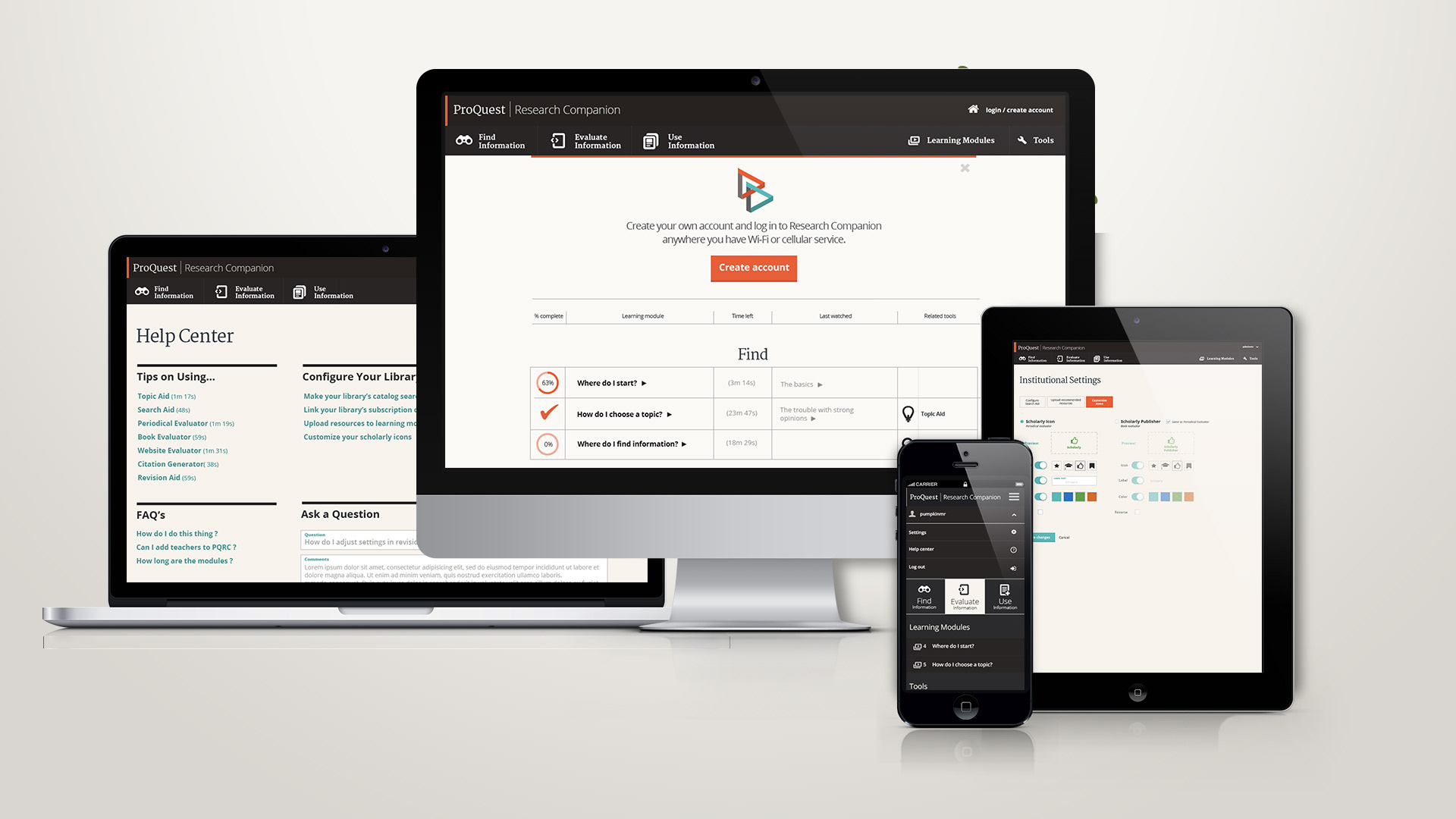 Research Companion / responsive productVIEW ARTIFACT + STORY →
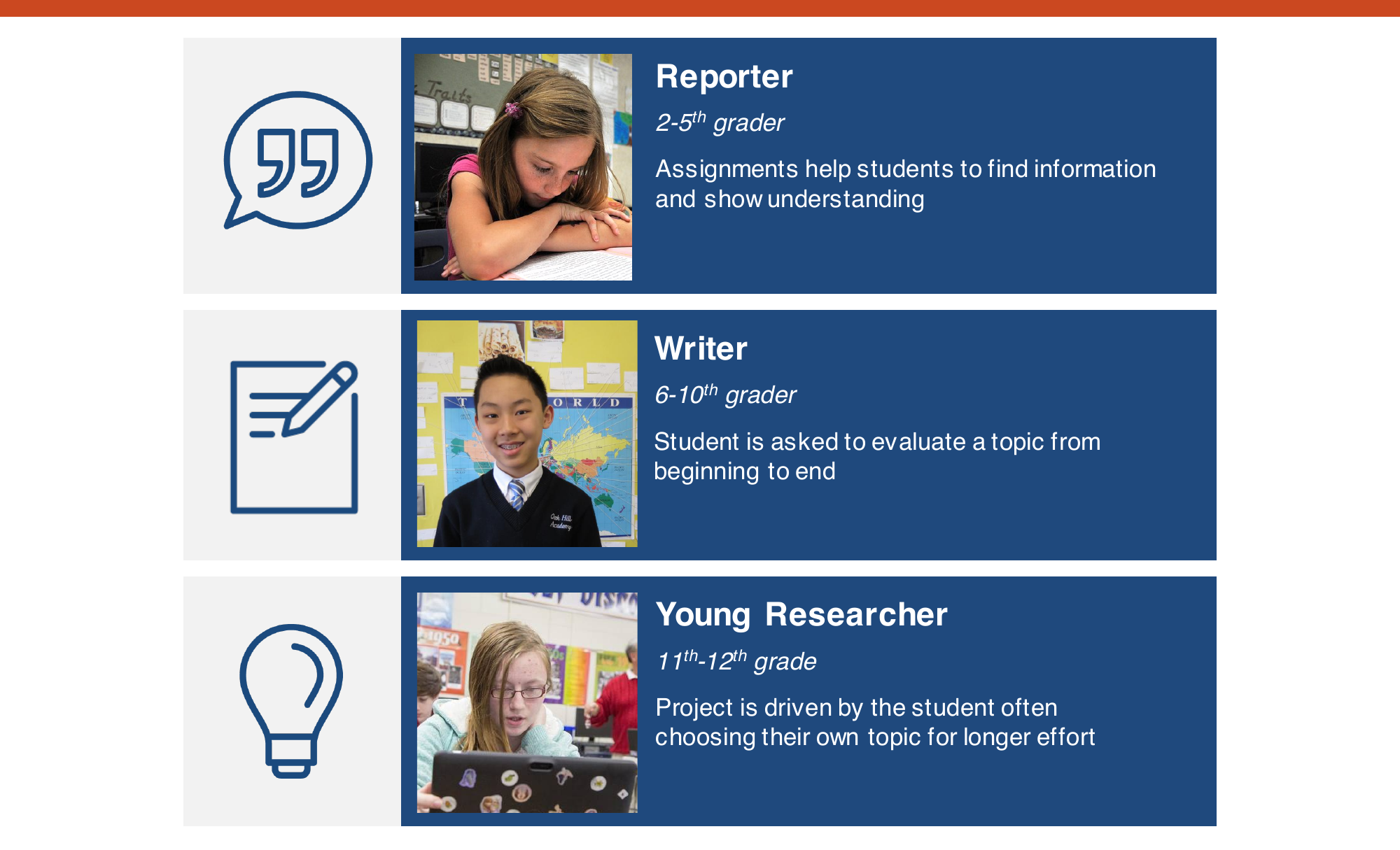 Research Companion / initial usersVIEW ARTIFACT + STORY →
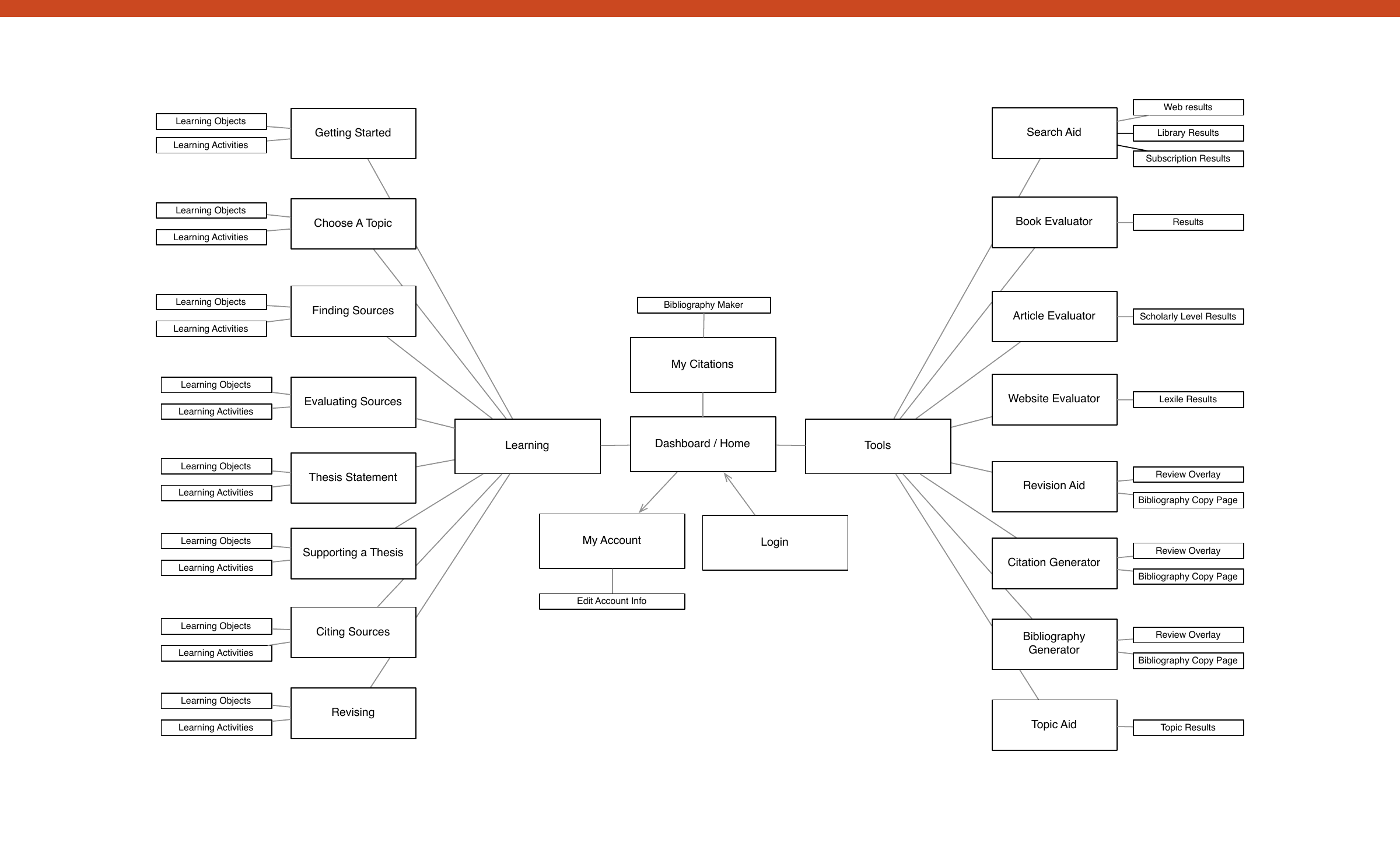 Research Companion / content strategyVIEW ARTIFACT + STORY →
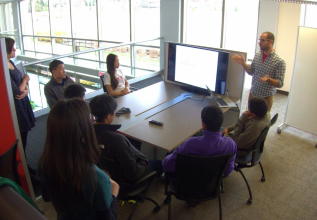 Research Companion / student researchVIEW ARTIFACT + STORY →
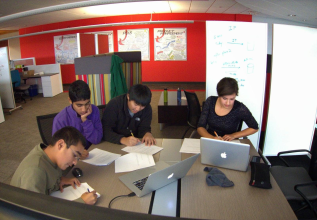 Research Companion / school research projectsVIEW ARTIFACT + STORY →
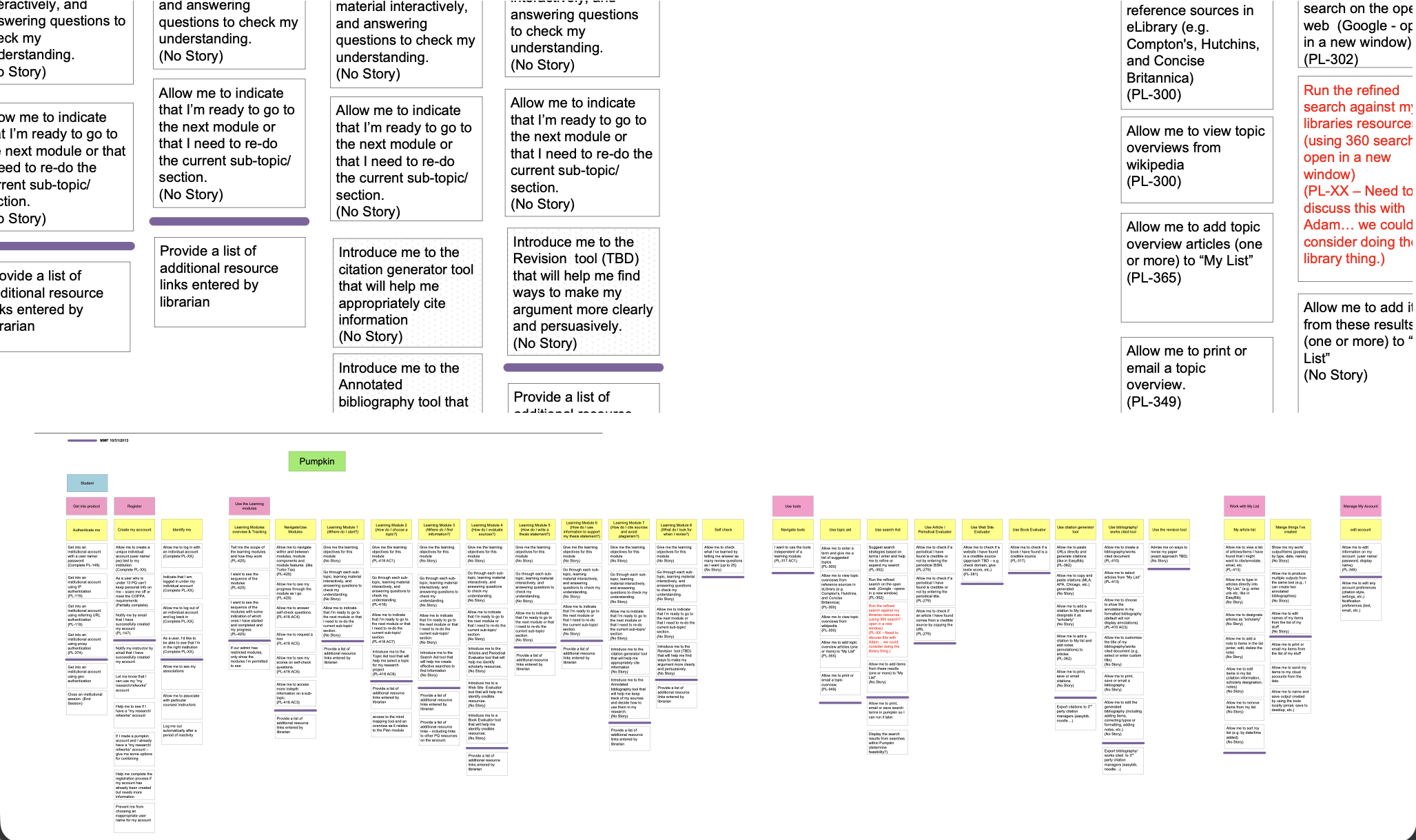 Research Companion / story mapVIEW ARTIFACT + STORY →
I organized and ran a Human-Centered Leadership conference for the Graduate Student Alliance at the University of Washington.
Community leadership / ONGOINGI built a shared practice for planning, conducting, and reporting research so UX designers across the team could run studies independently while working in a consistent way.
Research operations / 2022—2024- My contribution
- Designed the shared research approach and used it to onboard UX designers to plan studies, choose qualitative or quantitative methods, conduct usability testing, synthesize evidence, and report findings in a consistent form.
- Evidence status
- WORKING OUTLINE RECOVERED
Methods + modes- Research planning
- Qualitative methods
- Quantitative methods
- Usability testing
- Synthesis and reporting
A repeatable way to combine customer feedback, user groups, surveys, usability studies, product analytics, and Net Promoter Score data in planning.
Research operations / 2018—2022- My contribution
- Established and managed the operating system; hired and partnered with a dedicated researcher whose direct study work should be credited separately.
- Evidence status
- RECOVERING EVIDENCE
Methods + modes- Research operations
- Voice of customer
- Product user groups
- NPS + surveys
- Usability studies
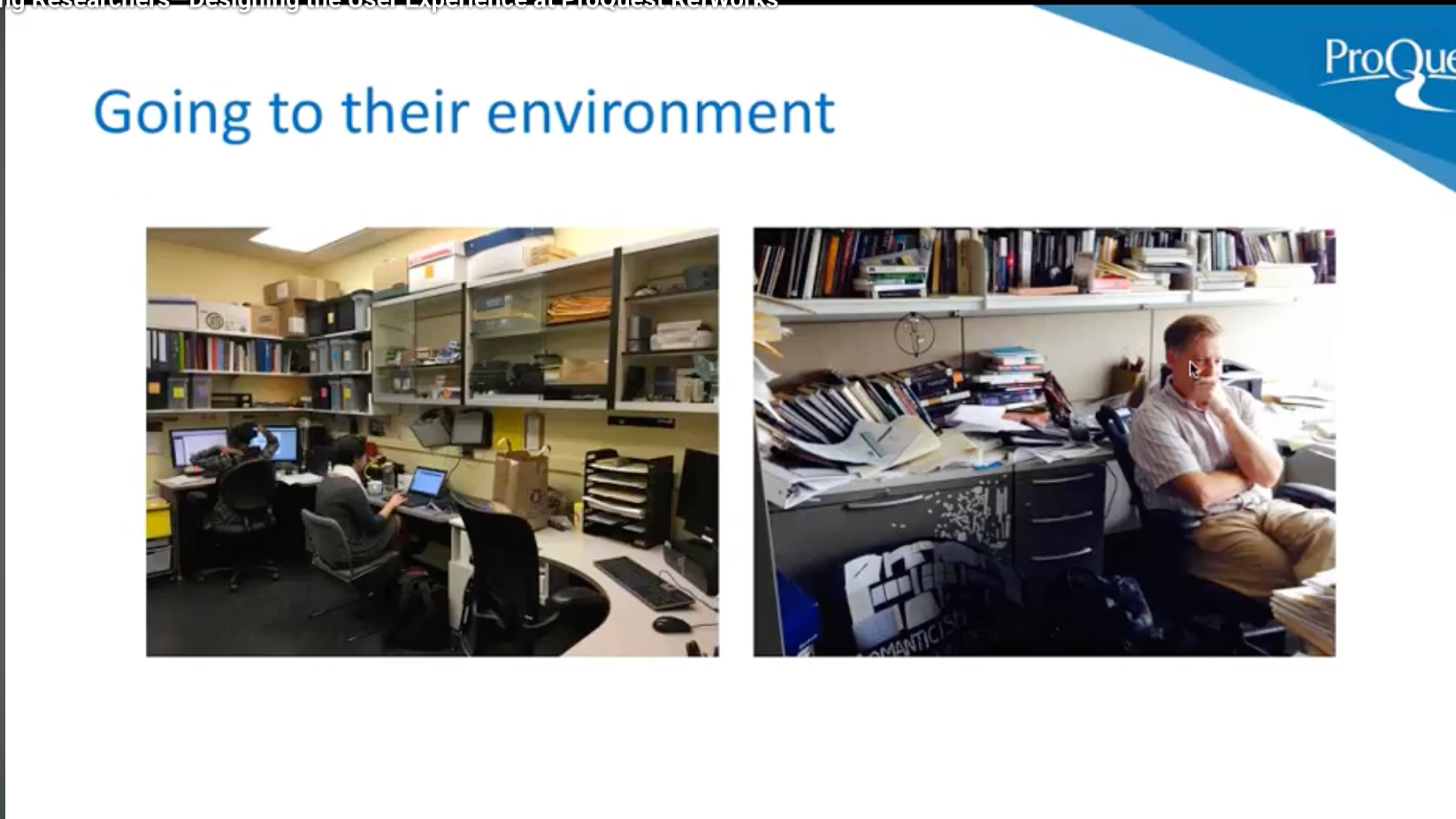
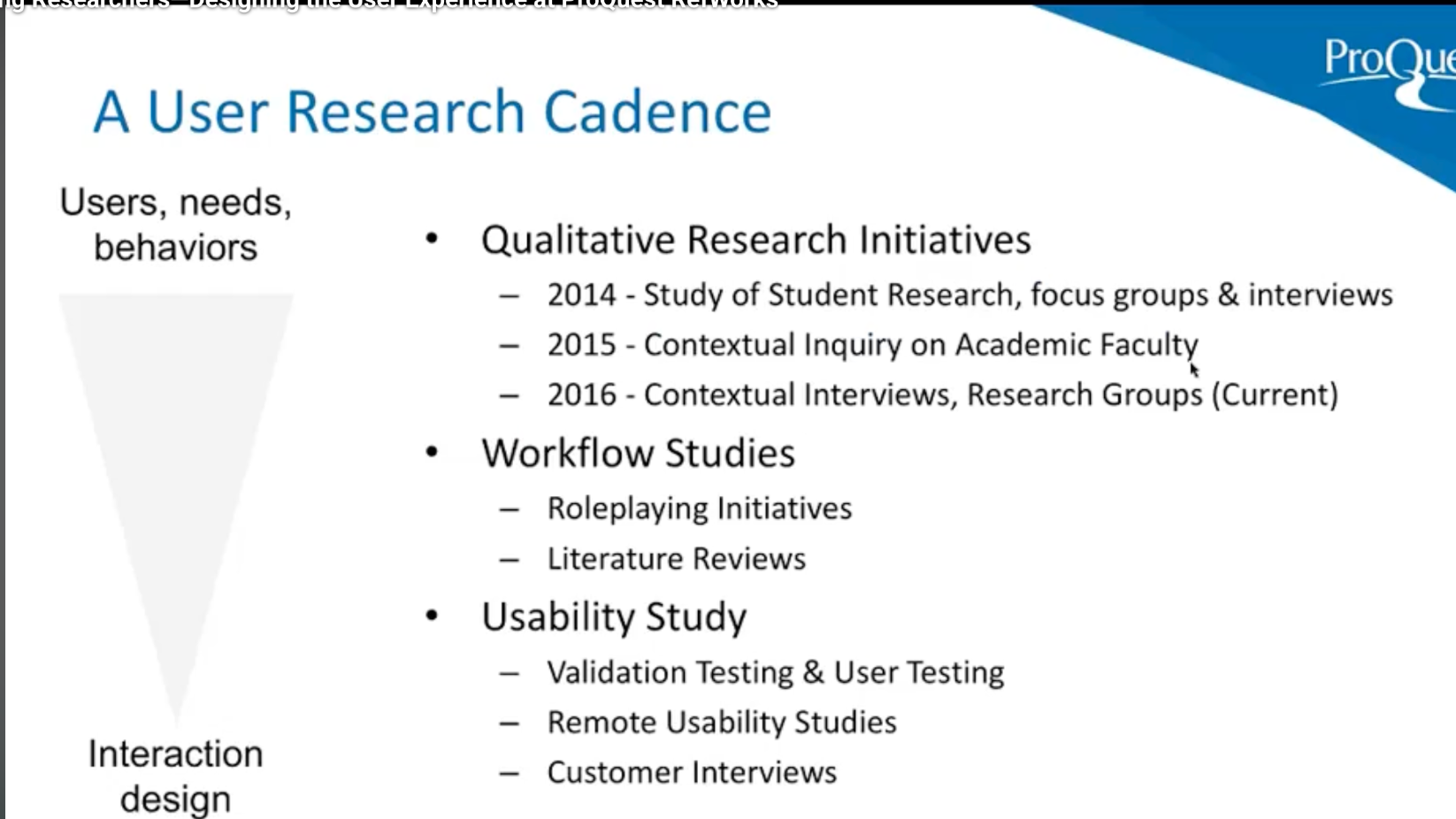
Field research and qualitative coding helped reveal the work surrounding academic research—not only the screens used to perform it.
Qualitative Methods / 2015- My contribution
- Conducted contextual inquiry and deep qualitative coding, then used the synthesis to influence product direction and longer-range platform thinking.
- Evidence status
- DOCUMENTED CASE
Methods + modes- Contextual inquiry
- Grounded theory
- Qualitative coding
- Research groups
- Survey triangulation
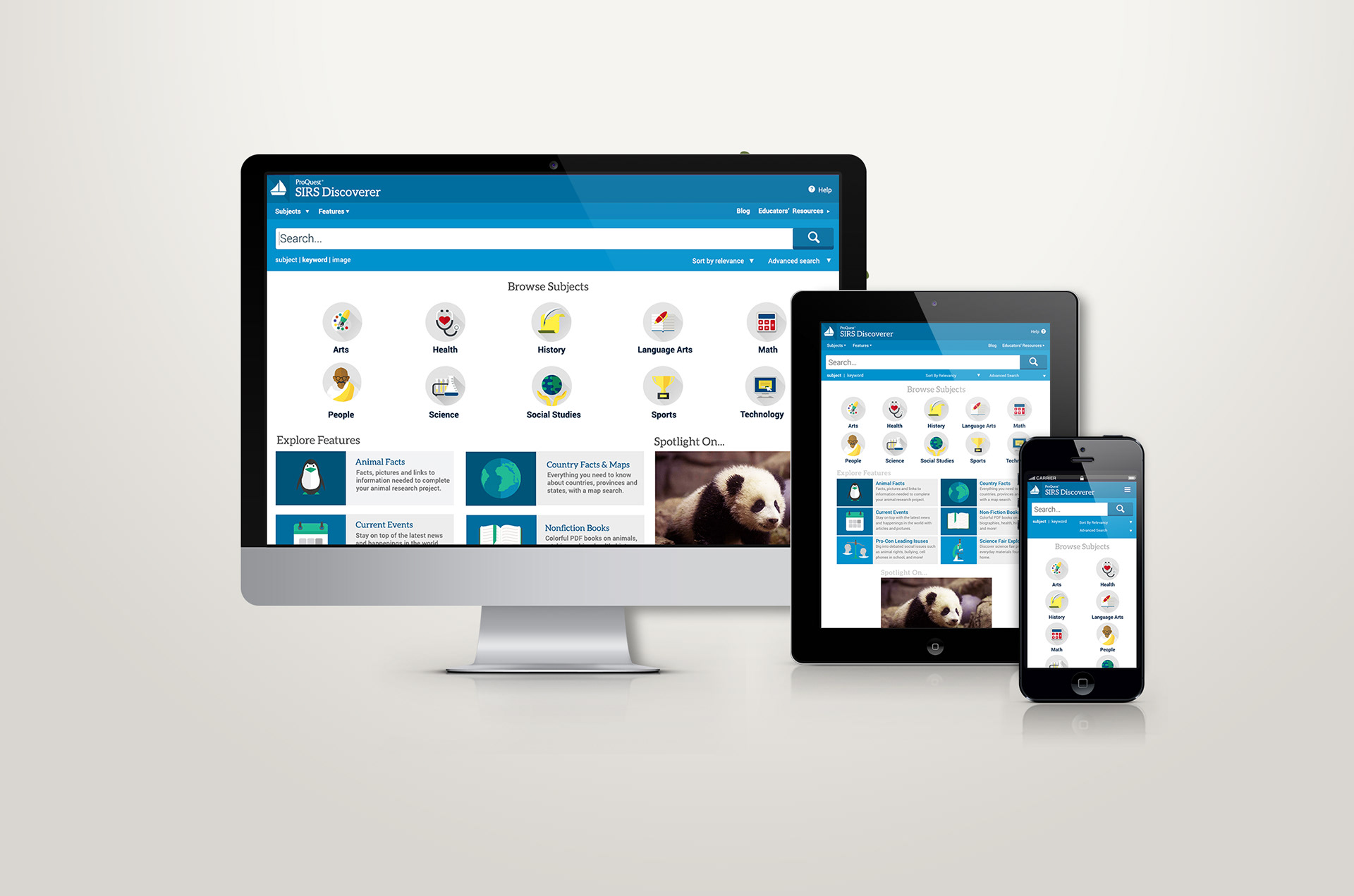
I conducted in-person group studies and usability research with middle-school students to understand how they found credible materials and began research papers before they had fully learned the process.
Mixed methods / PROQUEST- My contribution
- Met with young researchers and educators to study both the student task and the instructional system surrounding it.
- Evidence status
- RECOVERING EVIDENCE
Methods + modes- Student research
- Teacher interviews
- Task analysis
- Concept testing
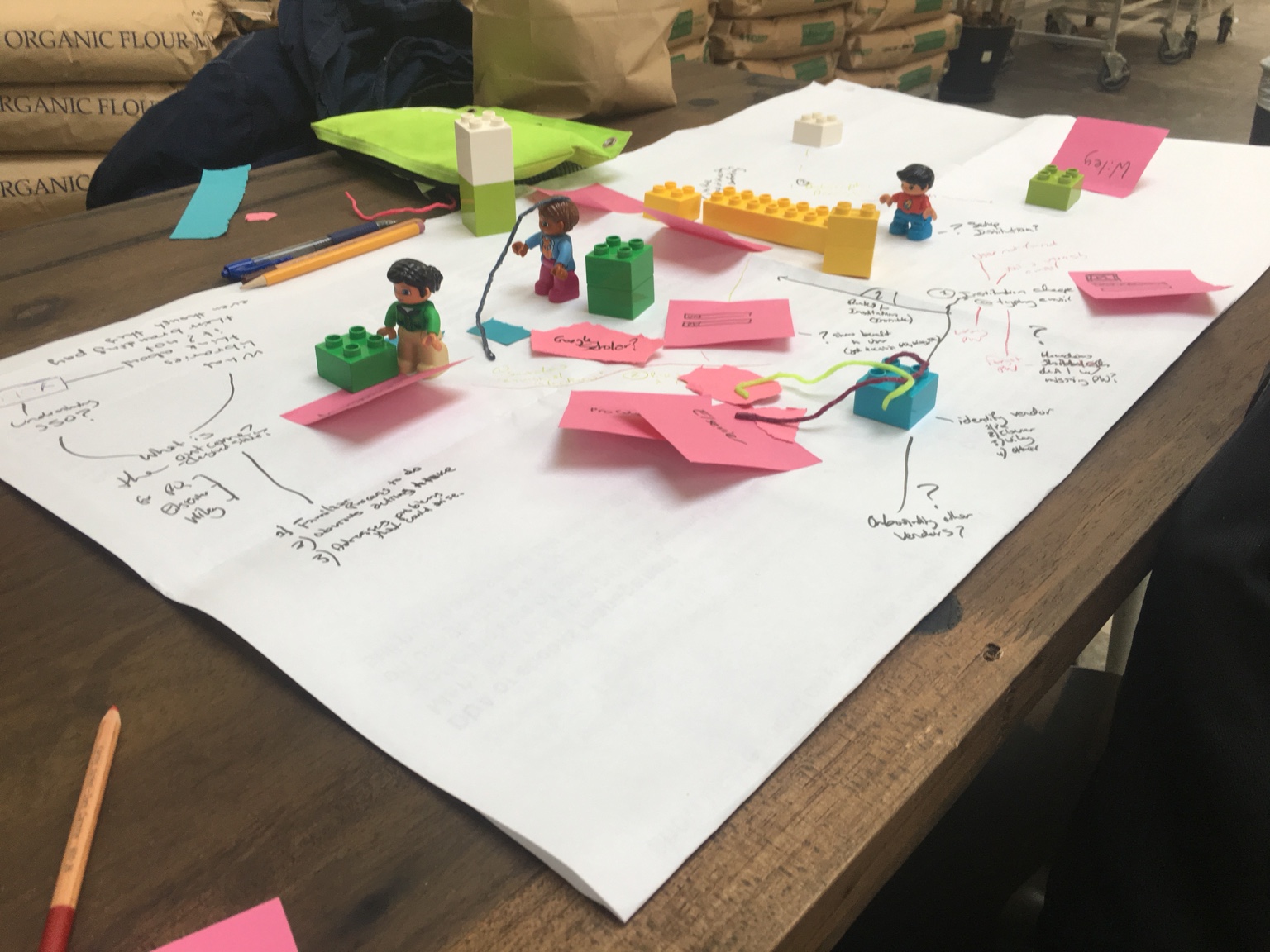
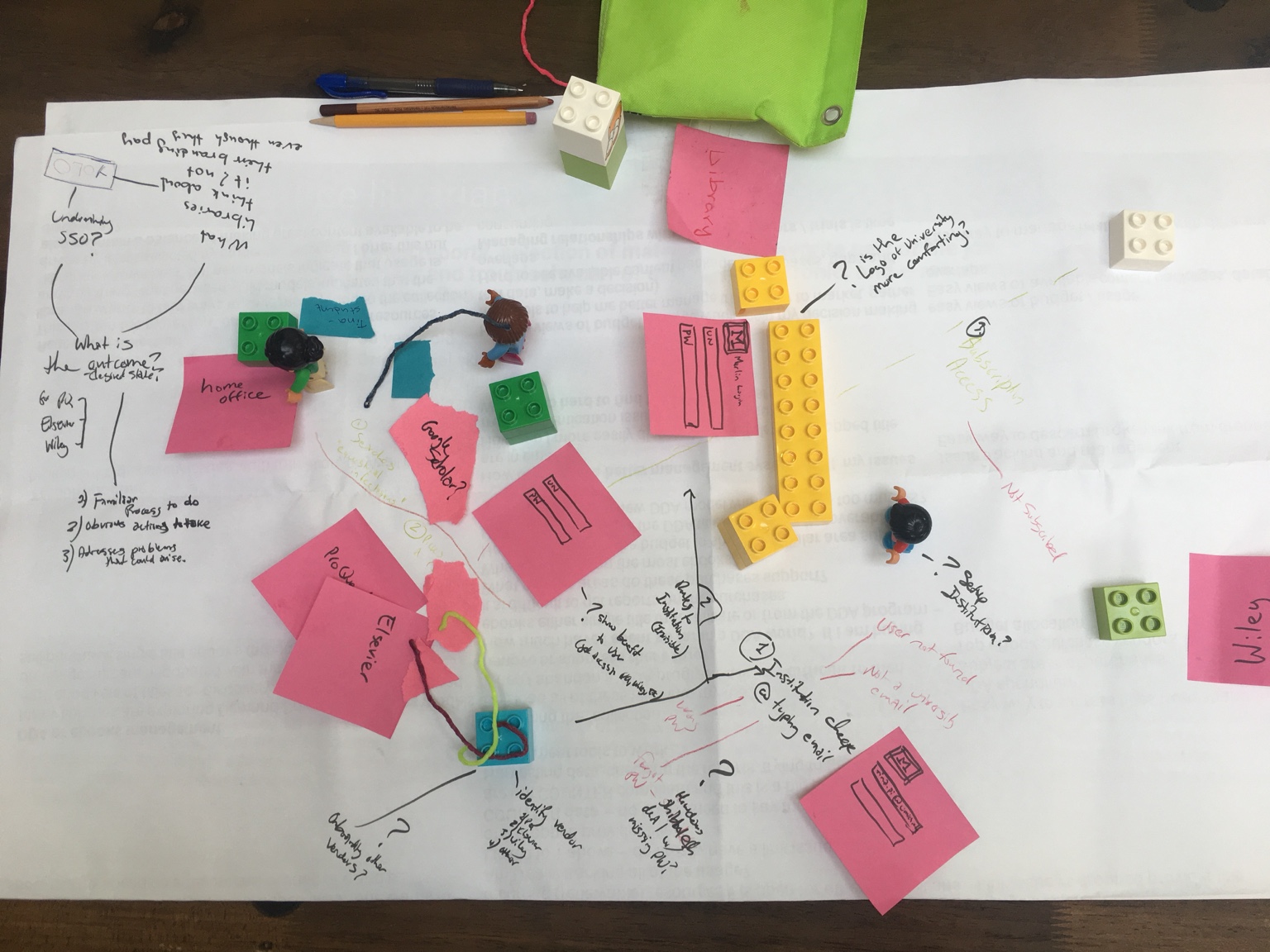
A one-off team exercise that made the activities and constraints of academic research tangible through roleplay, LEGO, paper maps, and improvised workflows.
ProQuest method study / PROQUEST- My contribution
- Worked with a ProQuest team to roleplay the different activities, actors, tools, and decisions that academic research demands, turning an abstract ecosystem into a shared physical model.
- Evidence status
- DOCUMENTED METHOD
Methods + modes- Roleplay
- Participatory modeling
- Story mapping
- Workflow reconstruction
- Collaborative synthesis
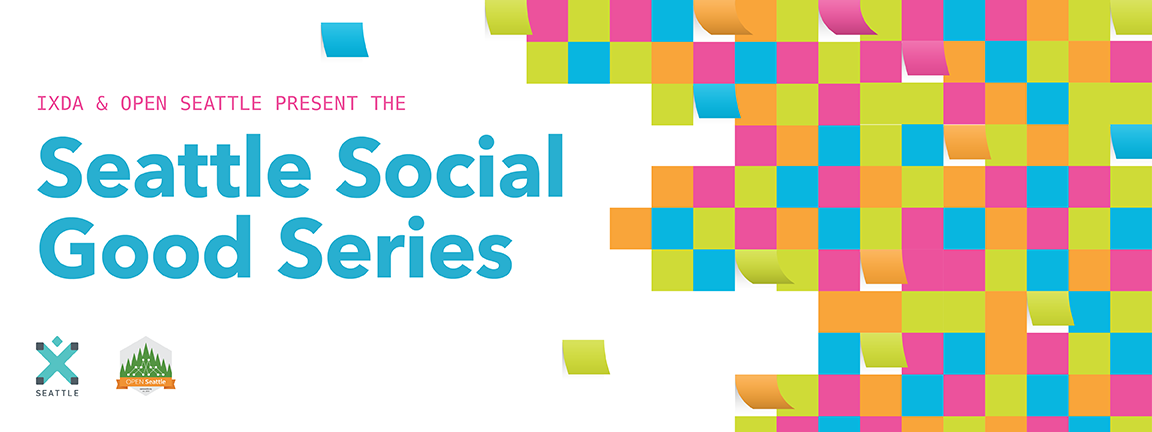
I led a workshop with the City of Seattle, Substantial, and Open Seattle that brought residents, government staff, designers, and developers together to imagine useful and accessible services from newly published storm-response datasets.
City of Seattle community data workshop / 2016A connected ProQuest product ecosystem for academic opportunity discovery, scholarly profiles, sponsor workflows, institutional data, and research visualization. The archive includes internal opportunity flows, sponsor-facing concepts, taxonomy work, and CAMS profile-editor exploration.
Product management / 2016—2018- My contribution
- Worked across product workflows, information architecture, taxonomy, interface concepts, and research operations to make a complex academic-data ecosystem more legible to different users and teams.
- Evidence status
- ARCHIVE RECOVERED
Methods + modes- Information architecture
- Taxonomy design
- Workflow modeling
- Product prototyping
- Usability testing
- Research-data systems
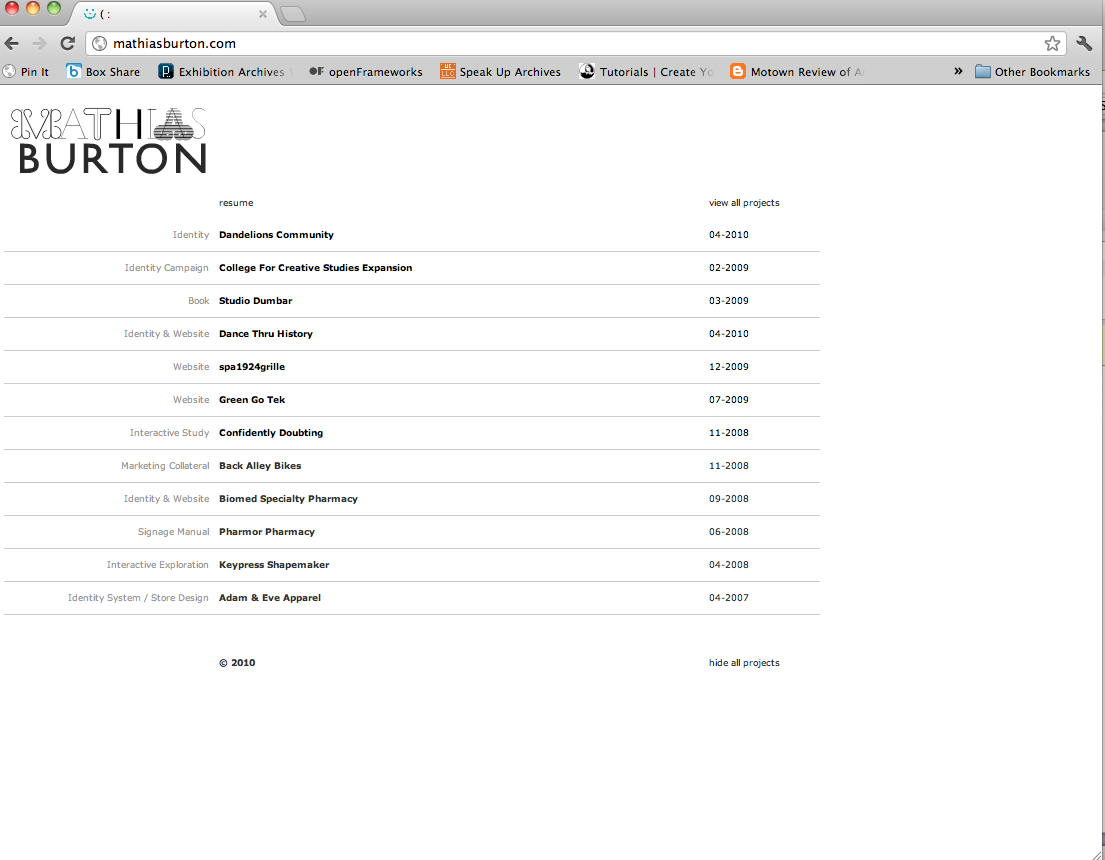
An inquiry into my own identity system, how it came to exist, and how its visual language behaves in motion.
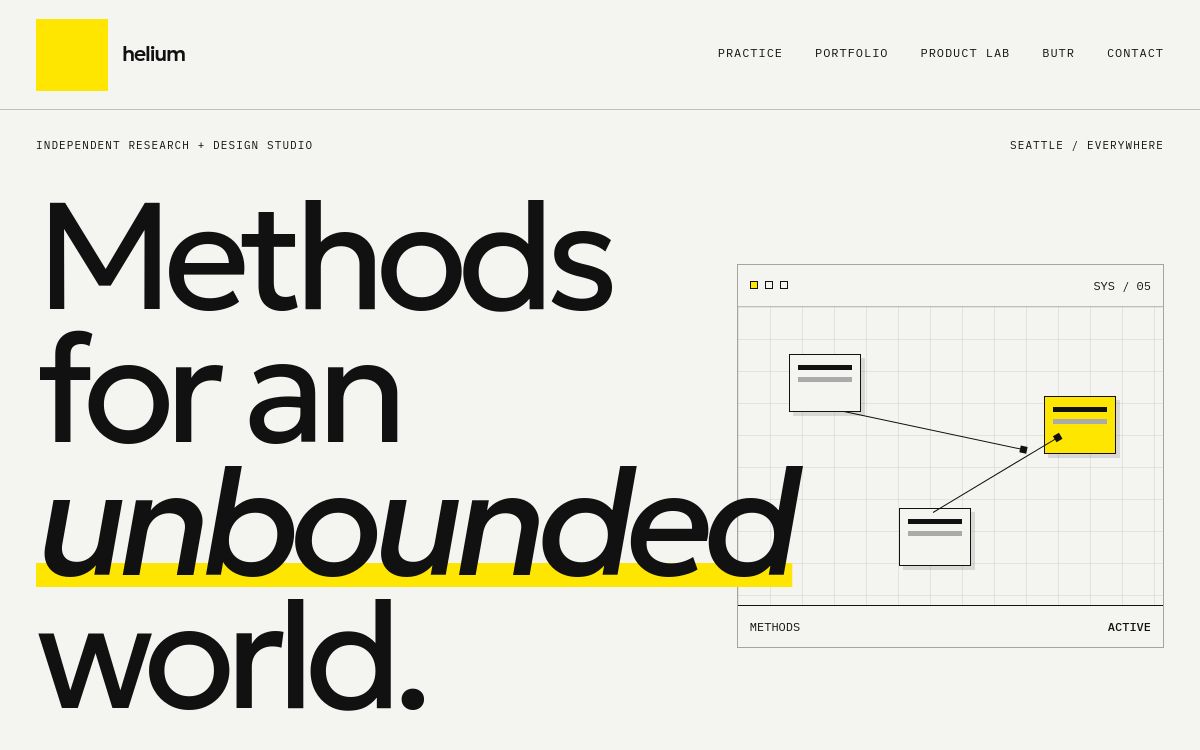
Identity study / 2026My effort to initiate freelance work as a stay-at-home parent and launch a vision for a 21st-century design studio: using technology and systems design for social good while making complex products human.
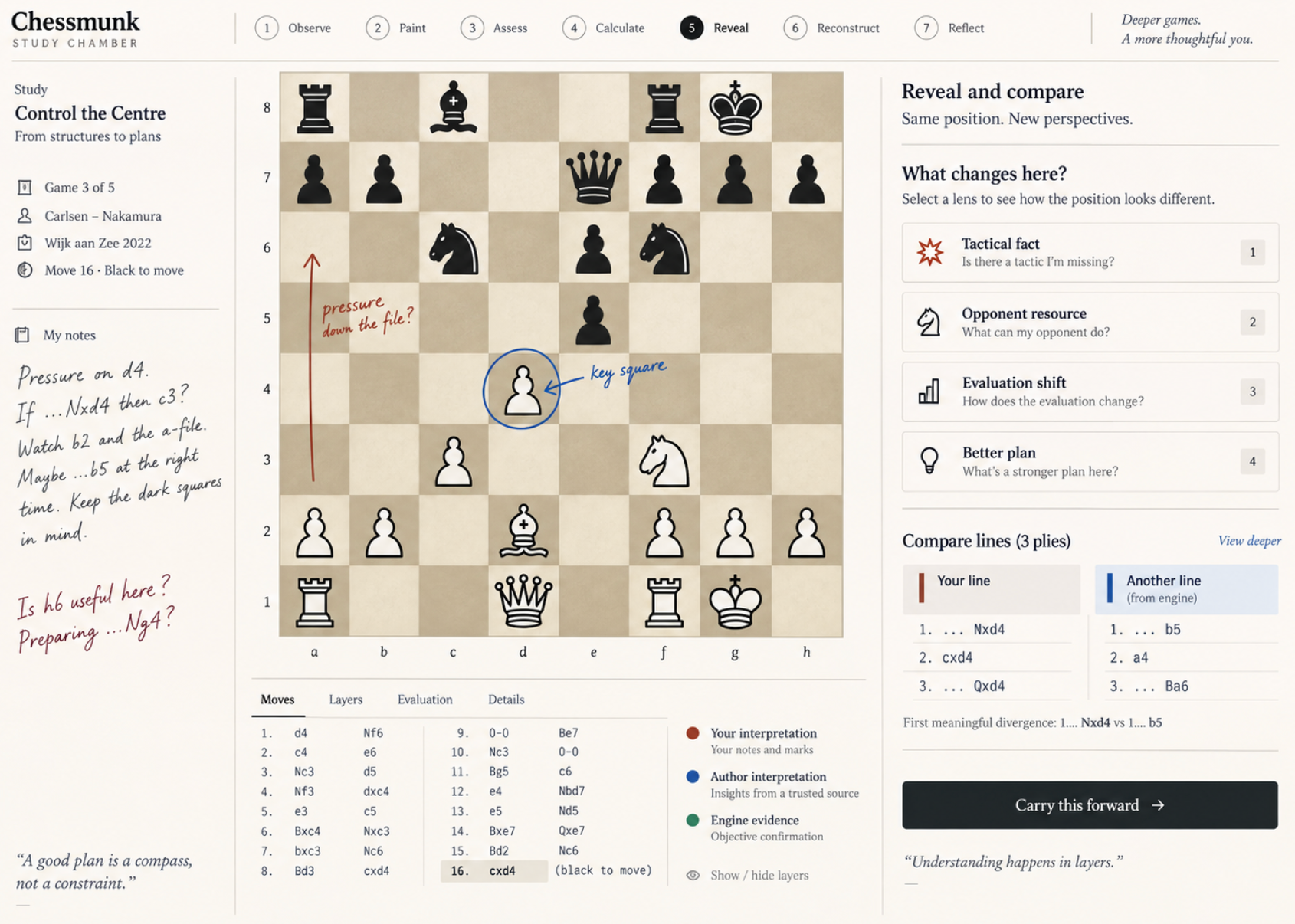
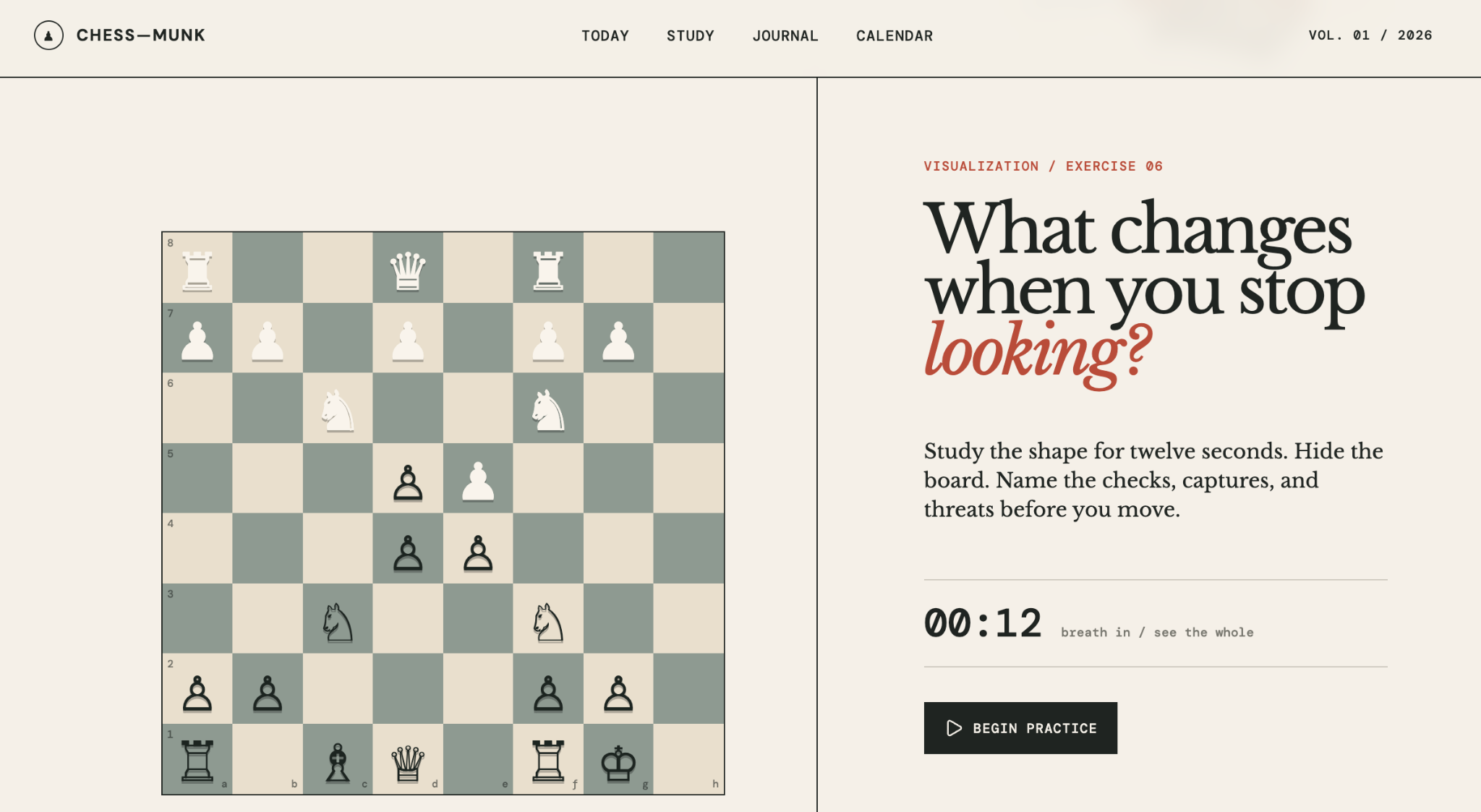
Studio system / 2026A focused chess-study environment exploring attention, visualization, calculation, repertoire, and interactive board-based practice.
Interactive learning experiment / 2026I used AI to support a practical program of diet, exercise, reflection, and adaptation as I worked to rebuild my body.
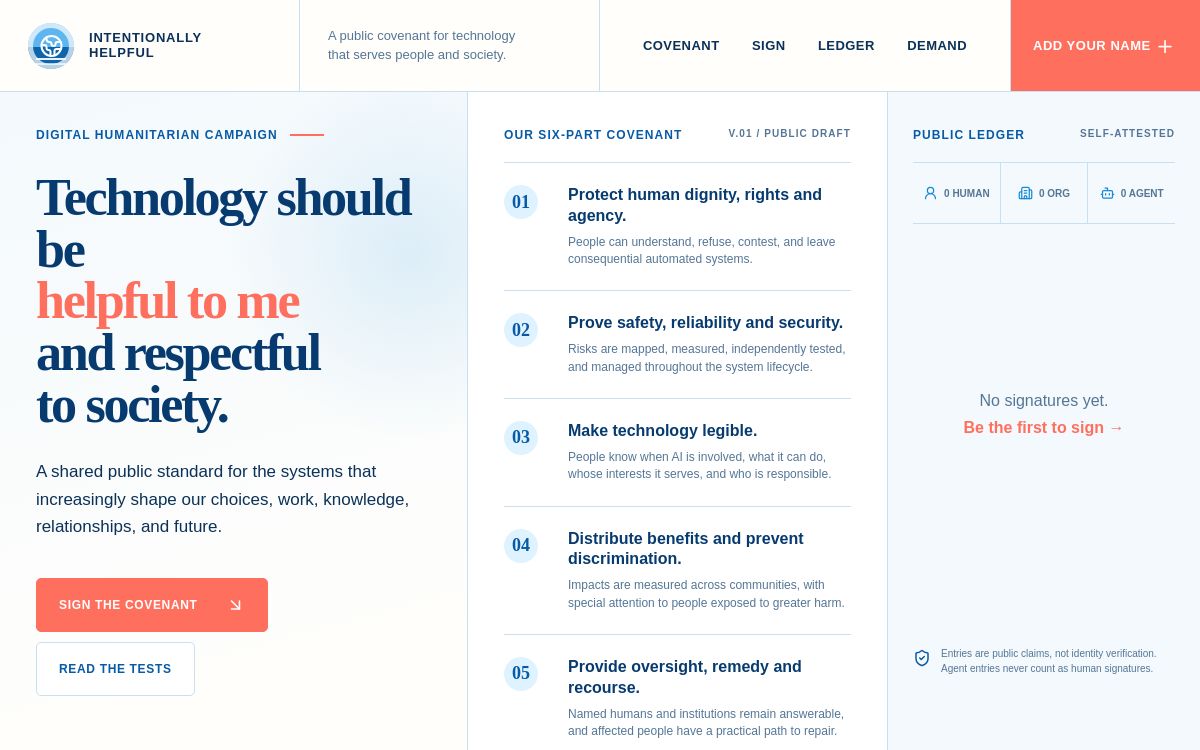
Personal experiment / 2026I created an online campaign where people could make their expectations for the artificial-intelligence market clearer and more concrete.
AI prototype + campaign / 2024—NOWI turned early sketches and research on my own goal-setting process into an AI-assisted software platform for managing personal goals, ambitions, character, and day-to-day progress.
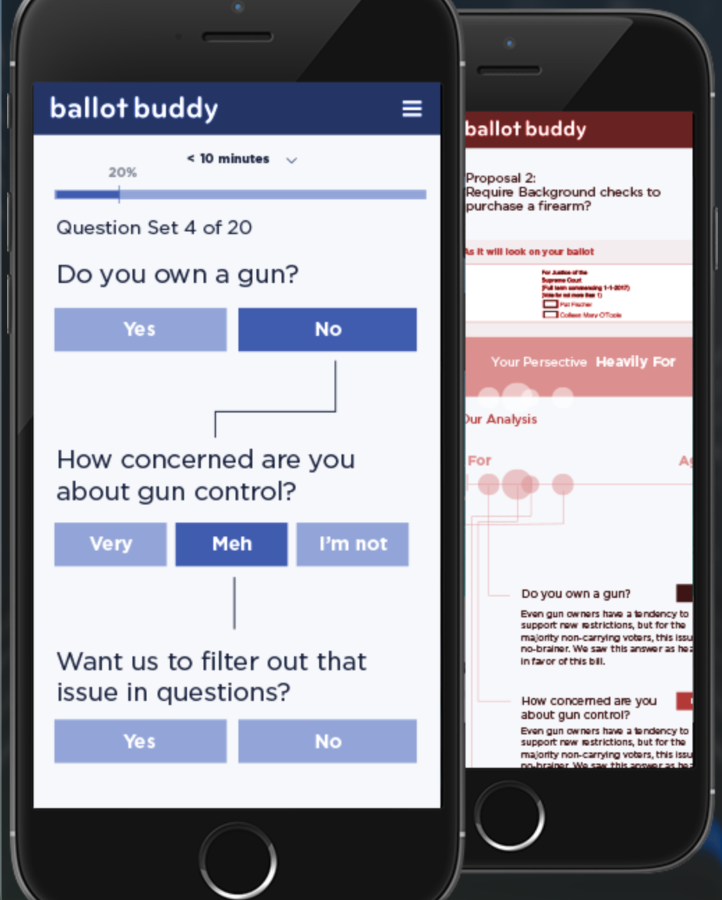
Product venture / 2026A civic-information experiment that organizes local ballot context around the decisions a voter actually needs to make.
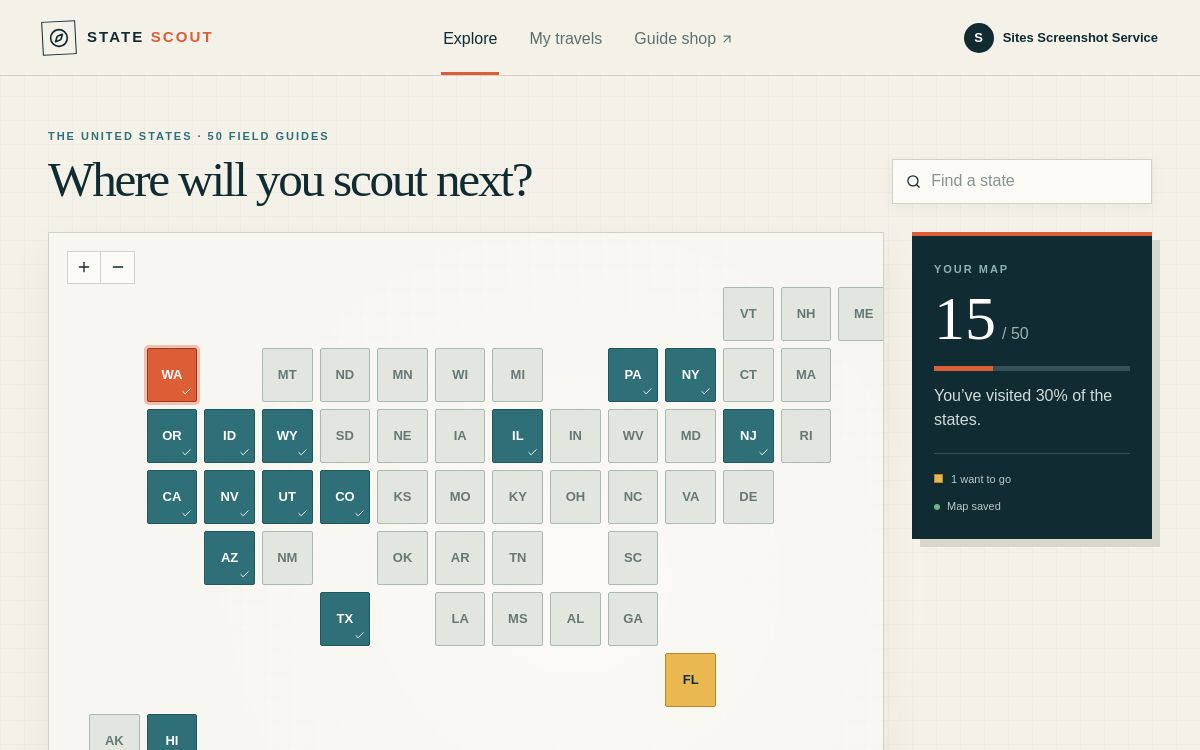
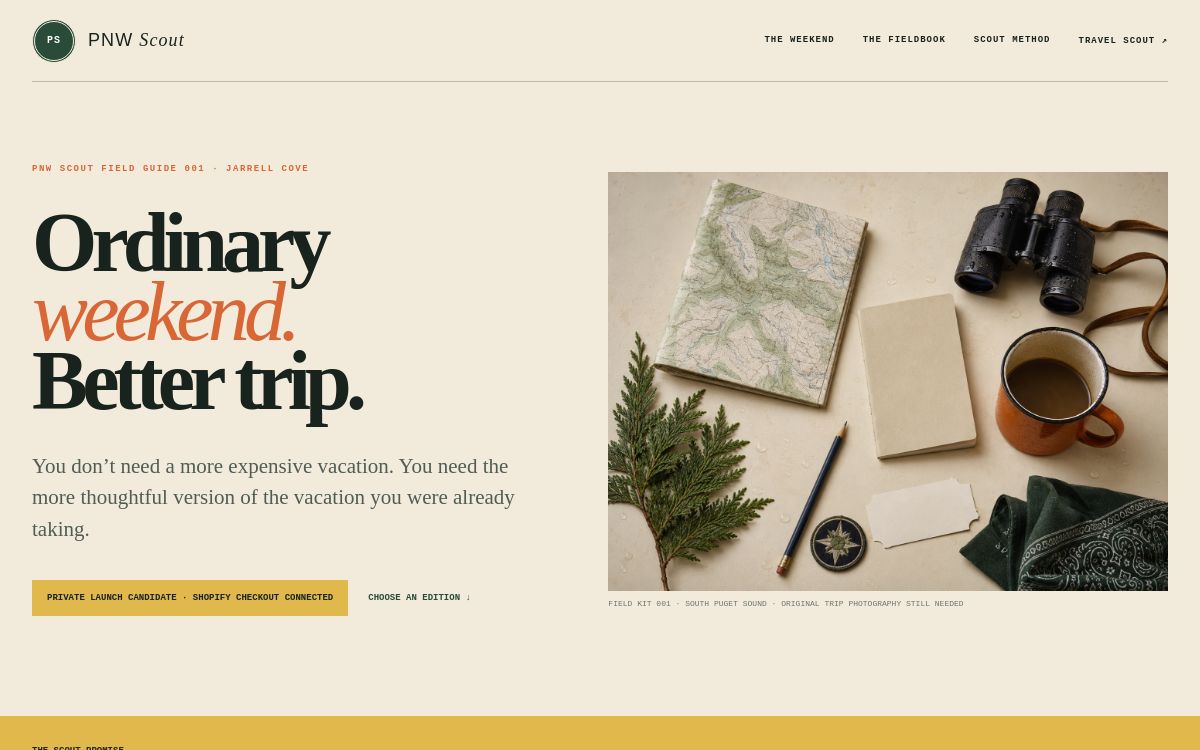
Civic product / 2026I created a family of travel tools—State Scout, Seven Scout, and PNW Scout—to turn place research, personal experience, and field notes into visual maps and usable guides.
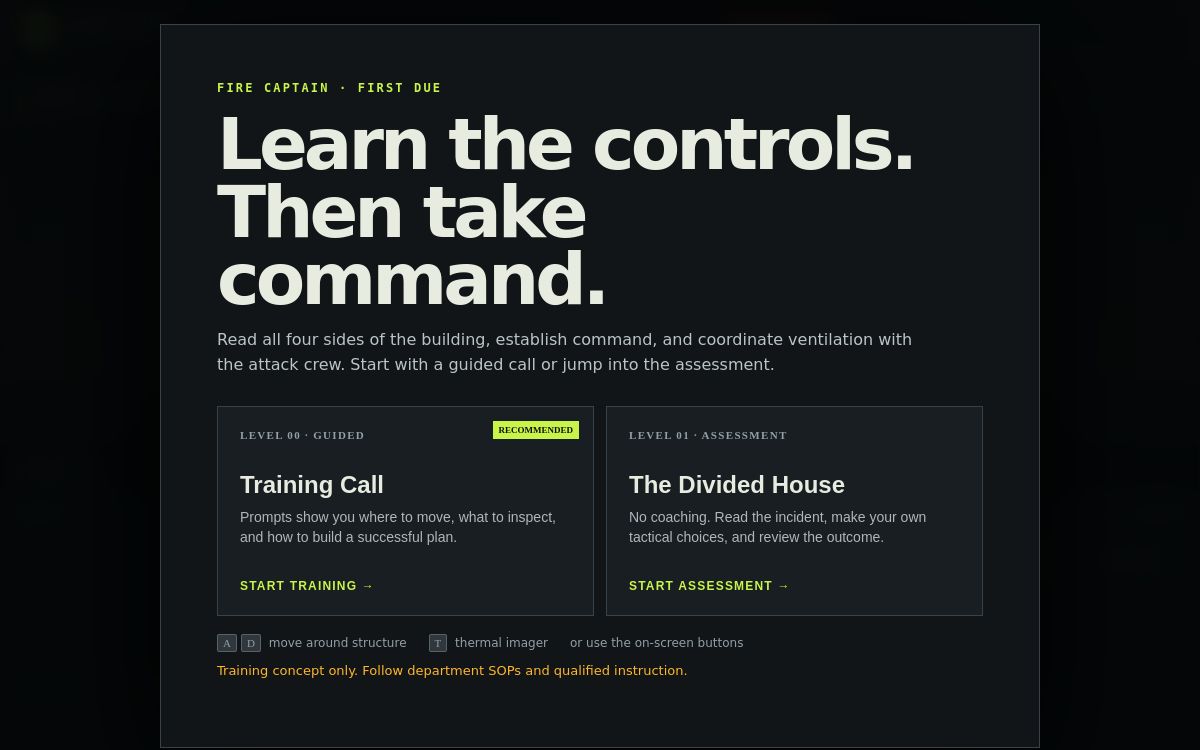
Travel-product family / 2026I experimented with creating a training game for aspiring firefighters to identify and select an appropriate ventilation strategy during an active structure fire.
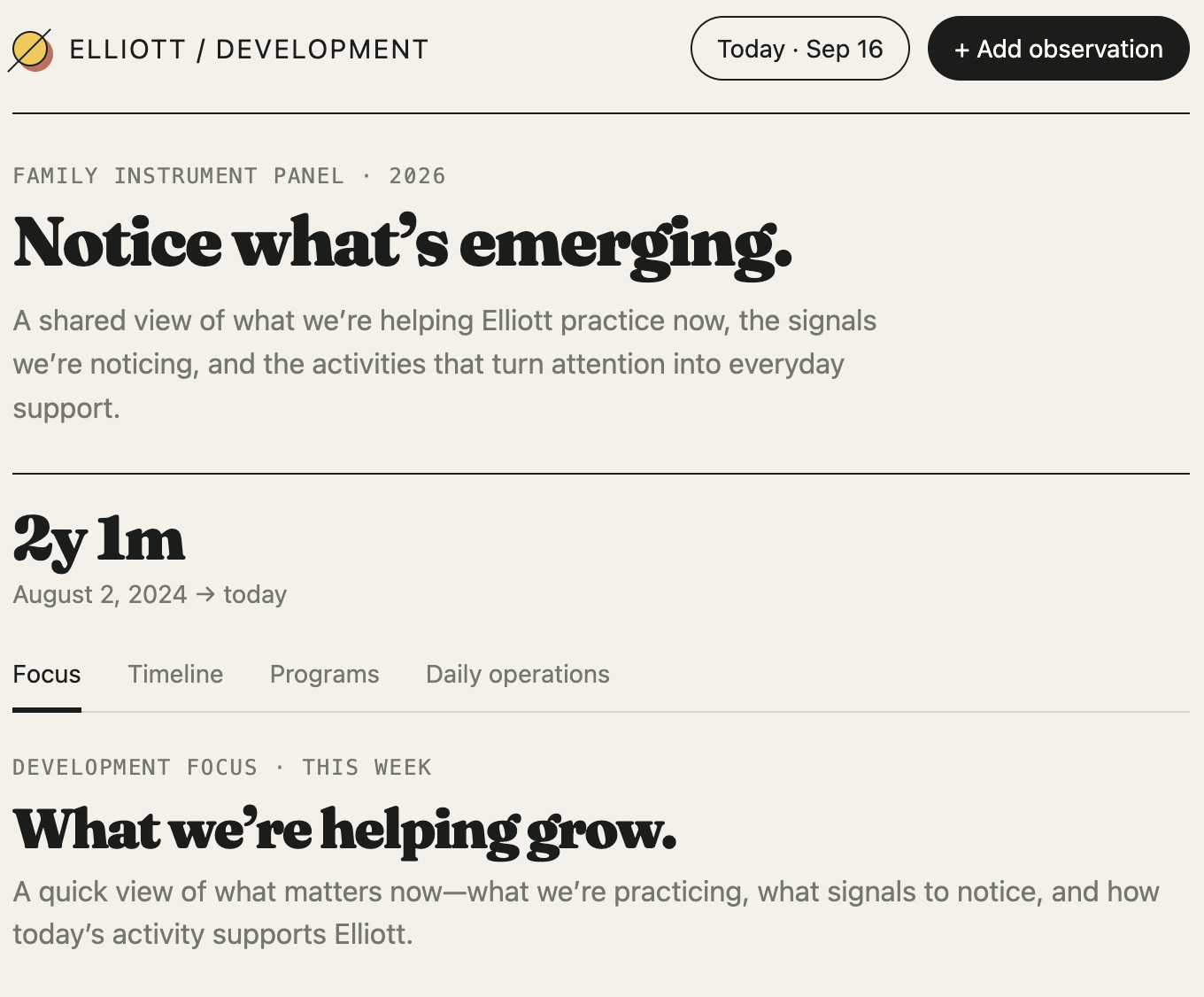
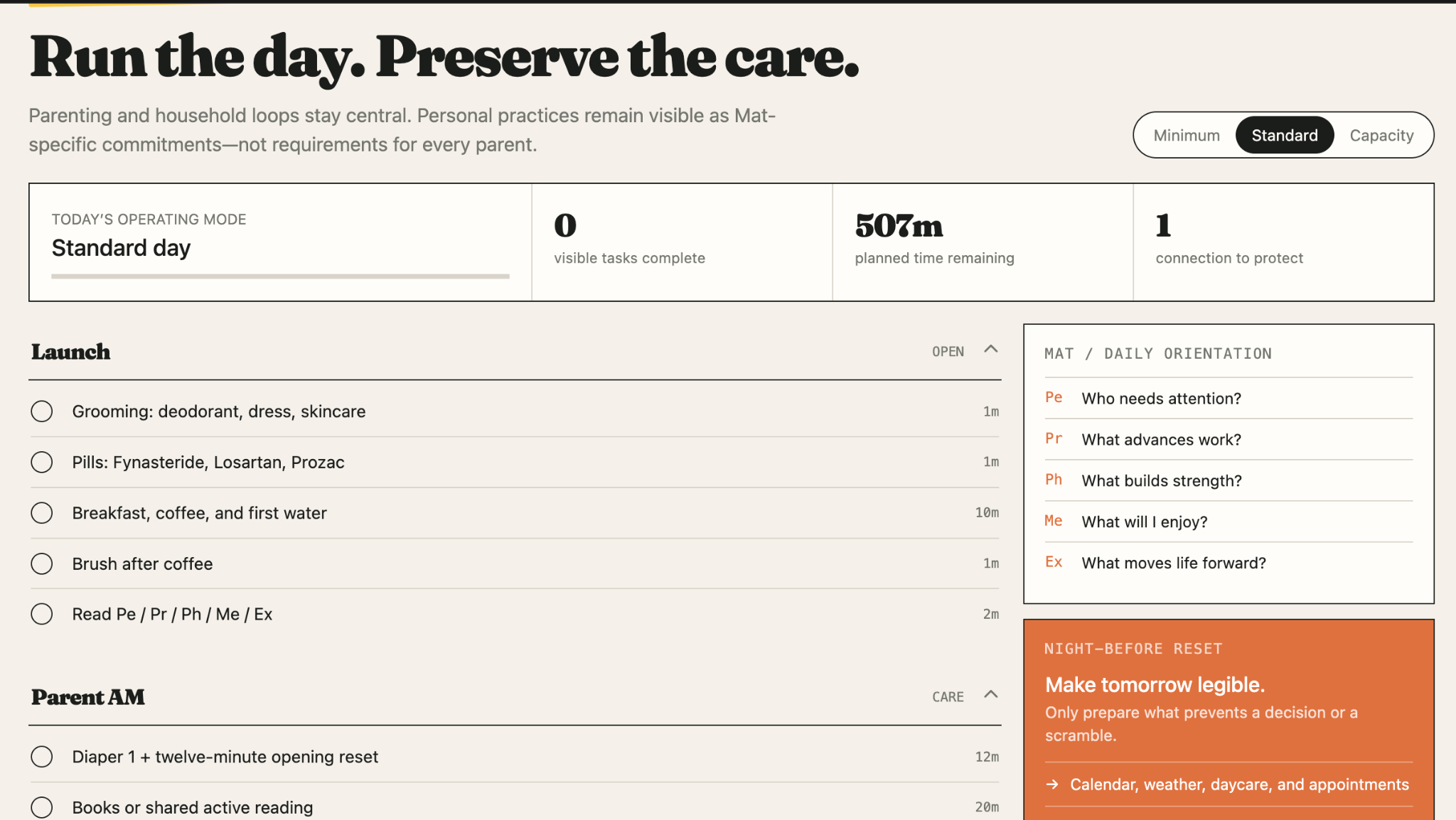
Learning game / 2026I created an online repository of the daily efforts I put into raising my son: supporting his happiness and development while making family life easier through thoughtful systems and automation.
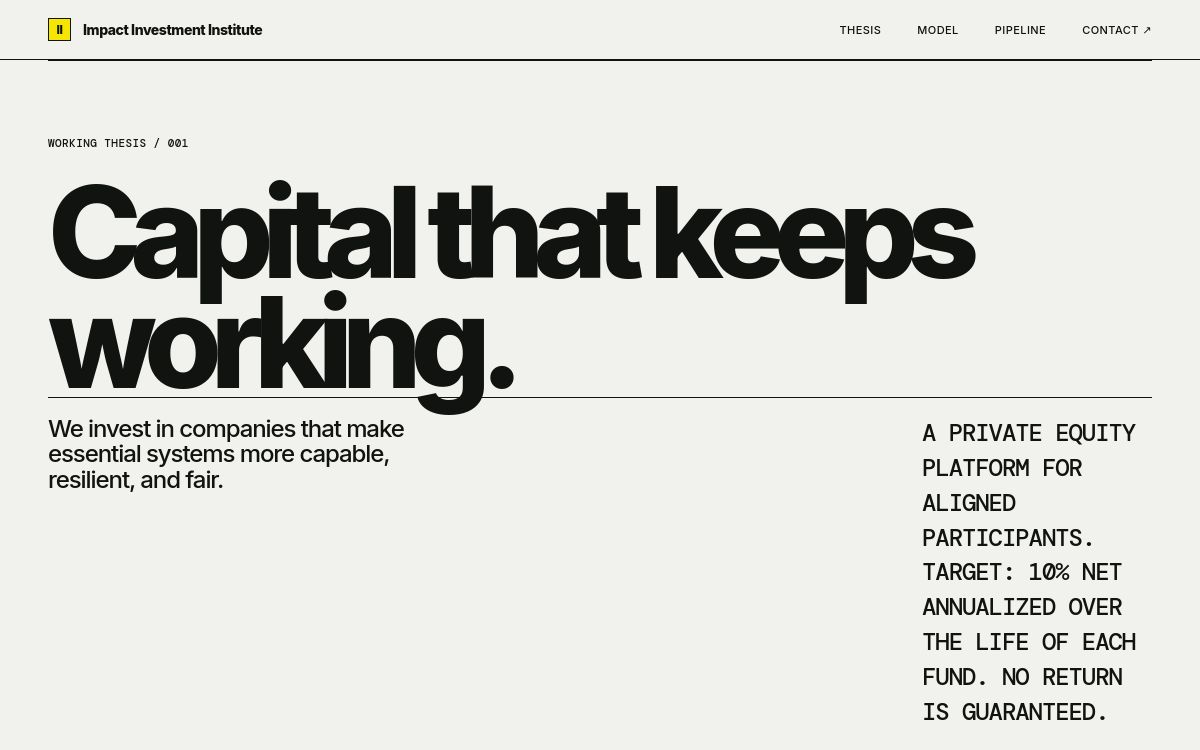
Personal system / 2026I proposed an imagined impact-investment fund that uses AI to identify prospective investments and support fundraising around those opportunities.
Strategy concept / 2022—2024- My contribution
- Framed the investment thesis, prospective use of AI, fundraising story, and relationship between financial discipline and measurable social value.
- Evidence status
- CONCEPT IN DEVELOPMENT
Methods + modes- Impact-investment research
- Fund modeling
- AI-assisted opportunity analysis
- Thesis development
I created and ran a four-week program combining a hackathon with a design sprint. Multidisciplinary groups formed around social challenges, developed ideas together, and created teams capable of carrying promising social innovations forward.
Community innovation program / 2017An early product proposal for shared service-provider intake and referrals, designed to reduce repeated storytelling and disconnected data for people experiencing homelessness.
Early MVP pitch deck / EARLY CONCEPTAn early startup concept for helping urban planners make public initiatives more interactive and involve communities throughout the planning process.
Early startup concept / 2016In a qualitative-research group project, I investigated how and why people make cryptocurrency transactions and the expectations of trust they bring to them, codifying the mental models shaping those choices.
Graduate research / GRADUATE STUDY- My contribution
- Investigated transaction behavior, expectations, and motivations as part of graduate study.
- Evidence status
- EVIDENCE SEED
Methods + modes- Interviews
- Mental models
- Behavioral inquiry
- Qualitative synthesis
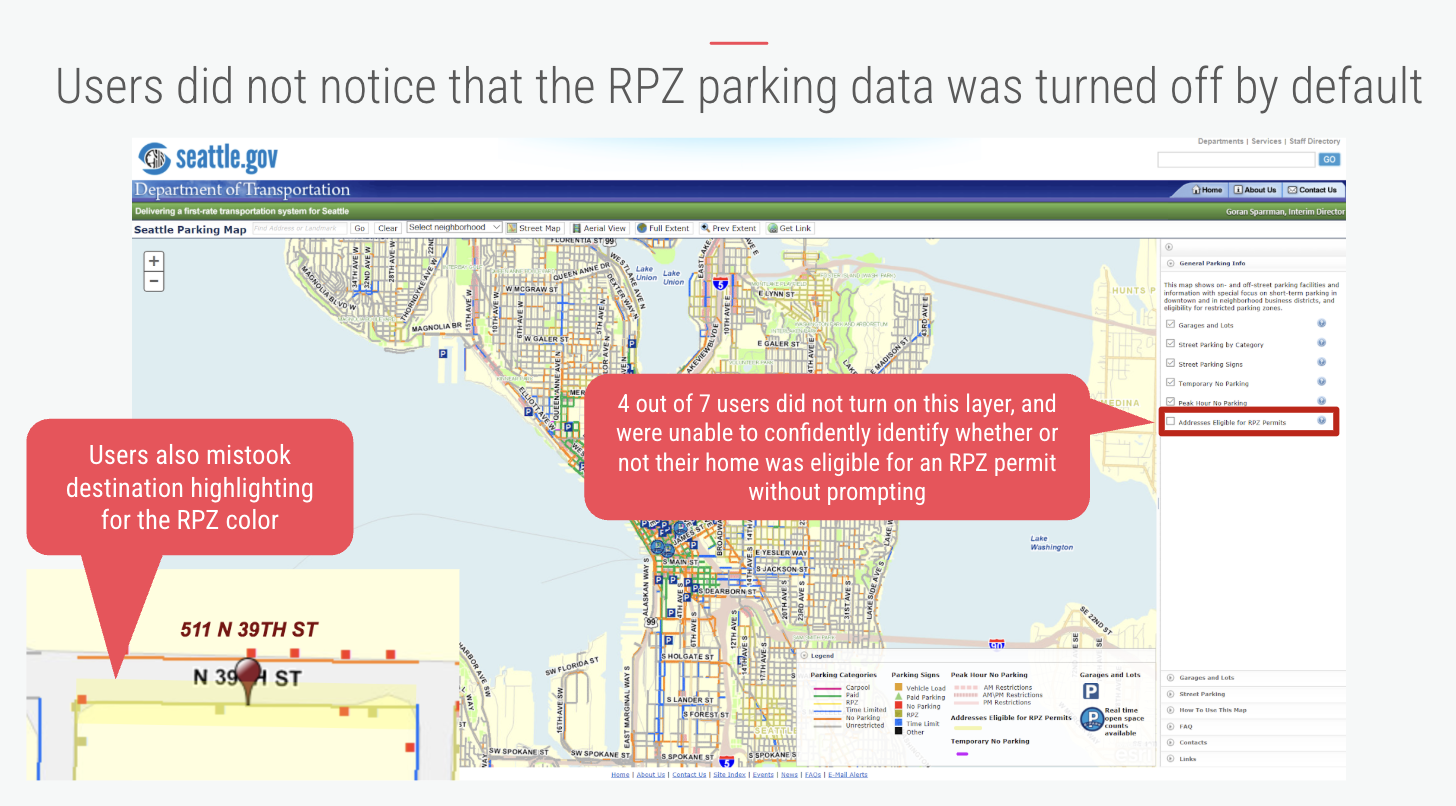
A usability study of Seattle parking maps focused on where public information supported—or interrupted—a driver’s task.
Graduate research / GRADUATE STUDY- My contribution
- Planned and conducted usability research on a public-information interface, then translated breakdowns into design implications.
- Evidence status
- EVIDENCE SEED
Methods + modes- Usability testing
- Task analysis
- Public-information design
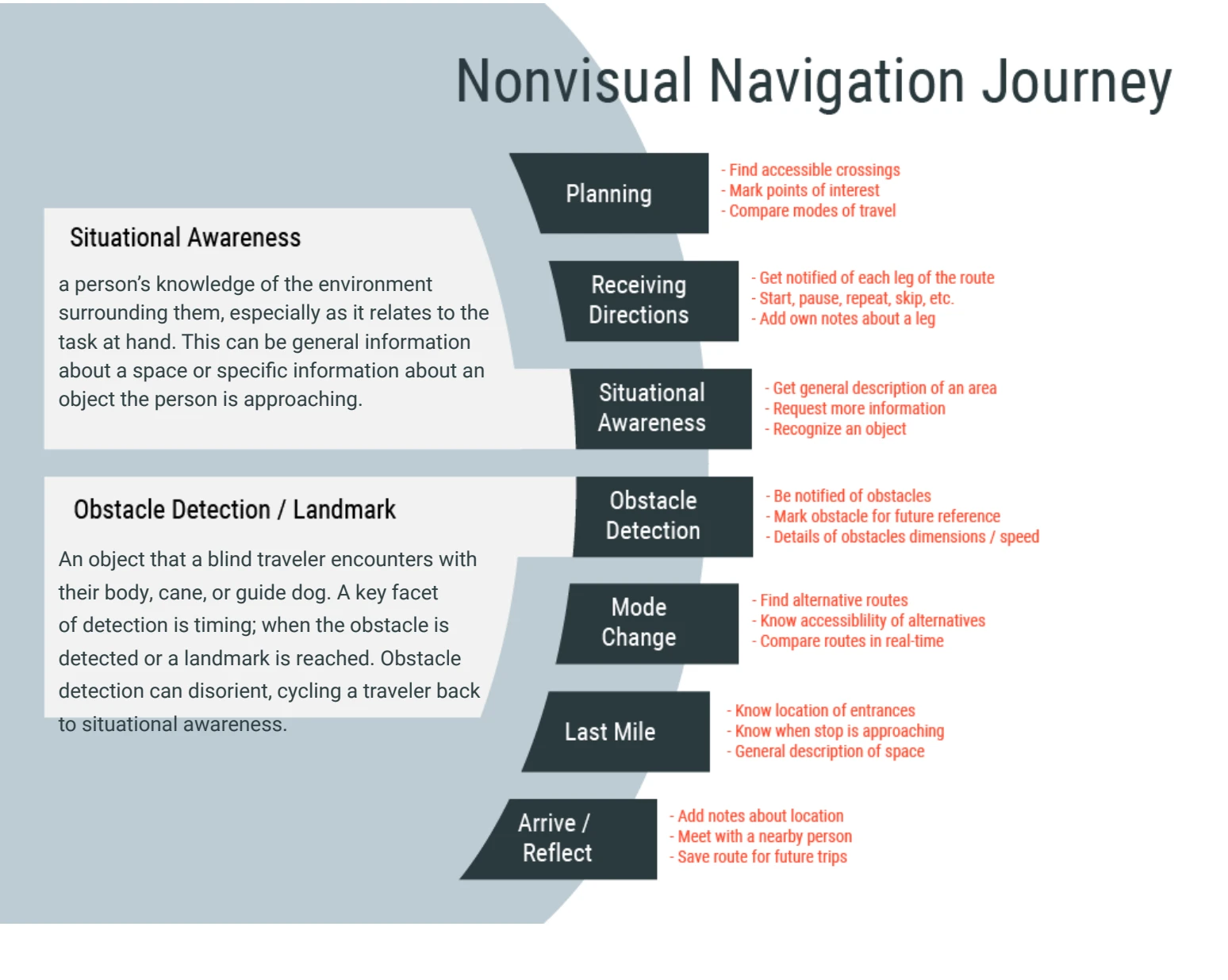
As UX Research Lead, investigated nonvisual urban navigation with a four-person capstone team. Recovered formative research, journey mapping, and a participatory design plan explain the focus on situational awareness and obstacle detection.
Graduate capstone / GRADUATE STUDY- My contribution
- Named UX Research Lead in the March 2020 capstone plan, responsible for research and usability alongside product design, accessibility/content strategy, and product management teammates.
- Evidence status
- PLAN RECOVERED / Relaunch remained a plan.
Methods + modes- Formative research
- Journey mapping
- Competitive analysis
- Participatory design planning
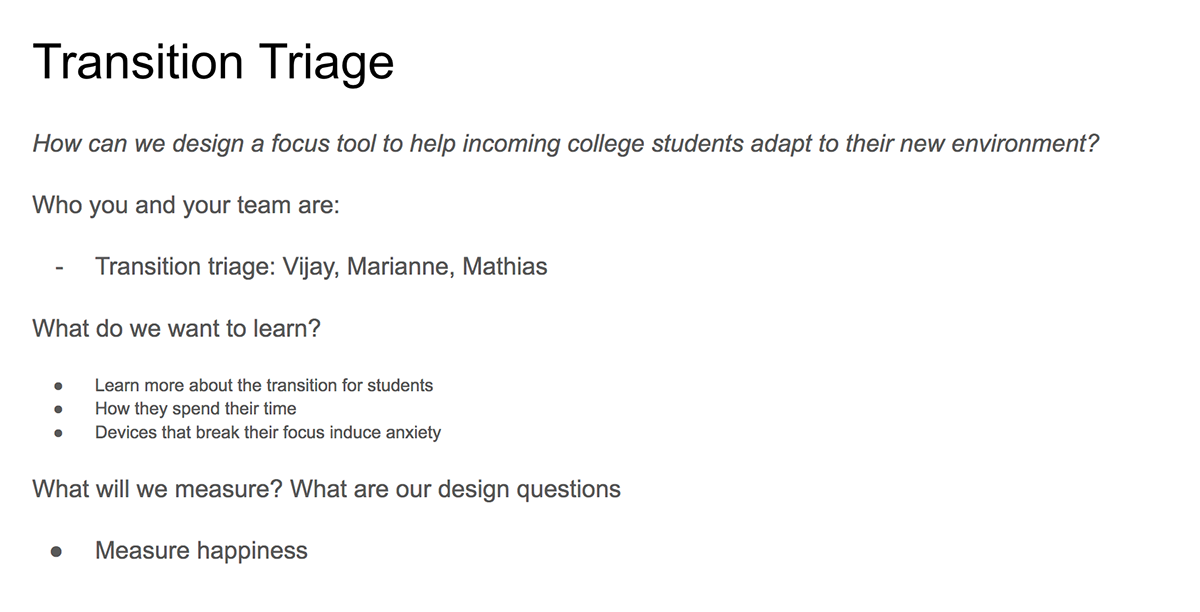
My first University of Washington project explored stress, mental health, and the support students needed as they entered their first year of college.
Graduate research / GRADUATE STUDY- My contribution
- Studied student expectations and translated concerns about workload, stress, and mental health into a support concept.
- Evidence status
- EVIDENCE SEED
Methods + modes- Student interviews
- Service mapping
- Mental-health inquiry
- Concept testing
A Stanford Crowd Research Collective paper on incentive-compatible interaction design: a reputation system that aligned worker and requester incentives to encourage more honest feedback on crowdsourcing platforms.
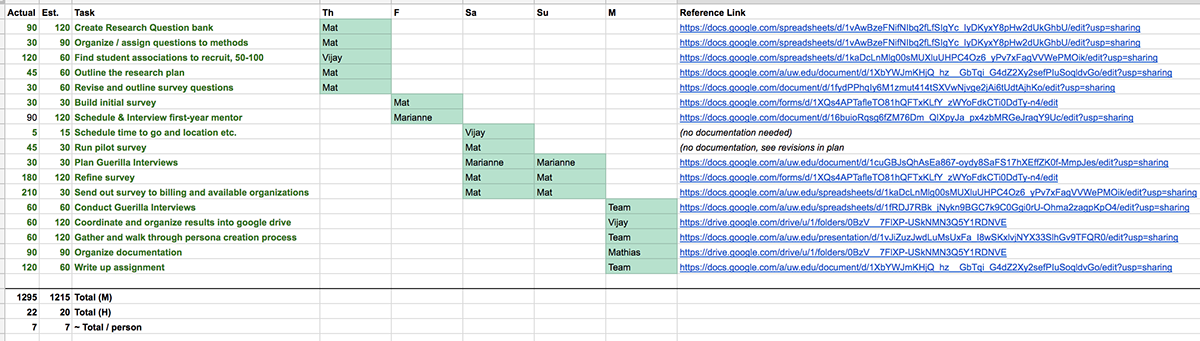
Journal article / 2016Graduate work at the University of Washington: classes, team projects, research methods, artifacts, and reflections from Human Centered Design & Engineering.
Graduate portfolio / GRADUATE STUDY