Folders and files in the recovered production archive
buttons
20 / EDUCATION / PRODUCT CONCEPT
20 / EDUCATION / PRODUCT CONCEPT
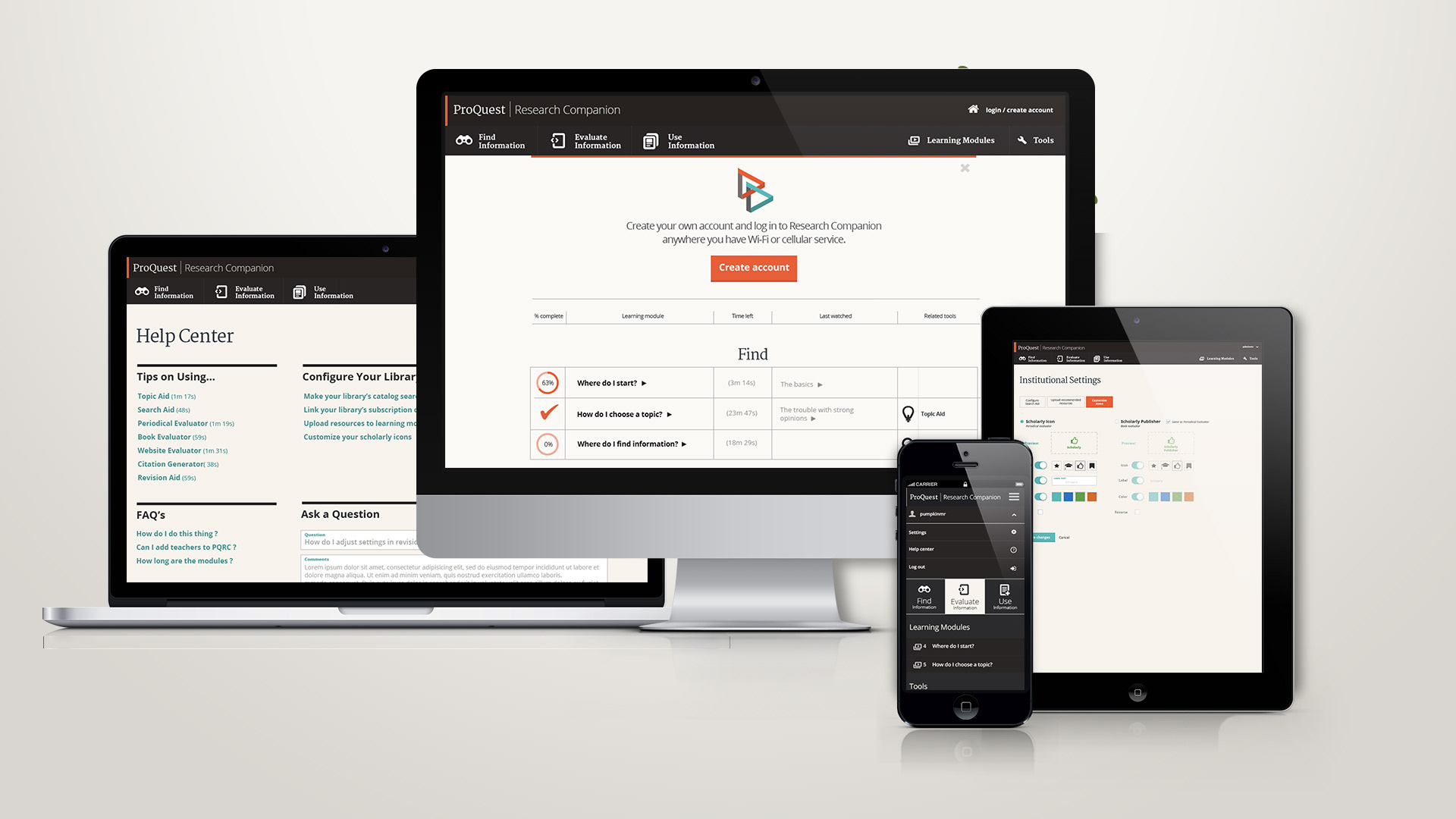
Research Companion
A guided research-learning product that helped students in grades 9–12 move from a question to a credible first paper.
RECOVERED PRODUCTION ARCHIVE
From lesson plan to learning module.
The folder preserves the production system behind the product: instructional intent became scripts and storyboards, then artwork, animation, narration, and finished exports. That chain is part of the design story—not background material.
Visual development and lesson artwork
Animation builds organized by learning module
Narration and production sound
Finished learning-module video outputs
Students often know they need to write a research paper before they know how to choose a topic, evaluate sources, or turn scattered material into an argument. The challenge was to make research practices teachable without reducing the work to a sequence of empty clicks.
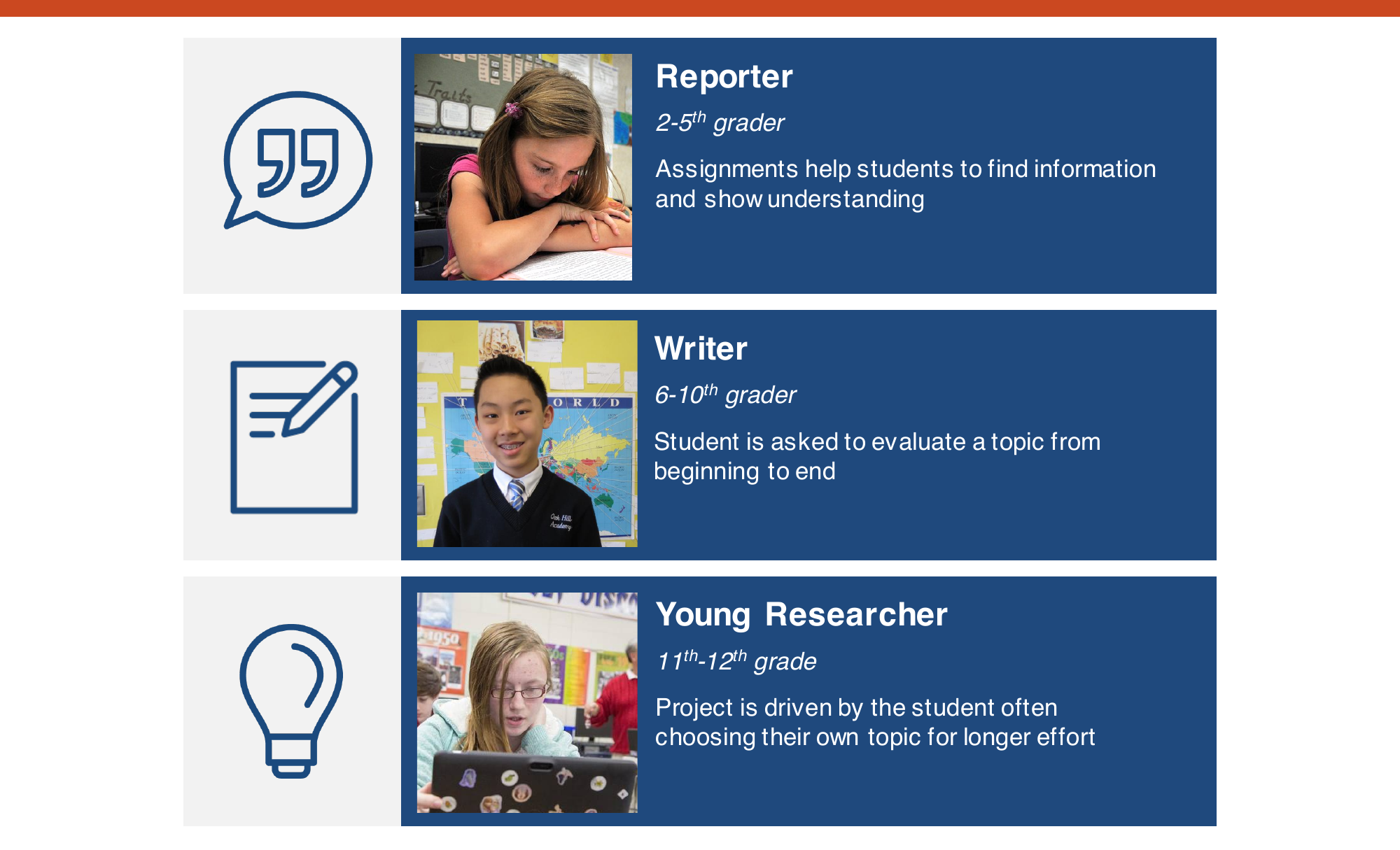
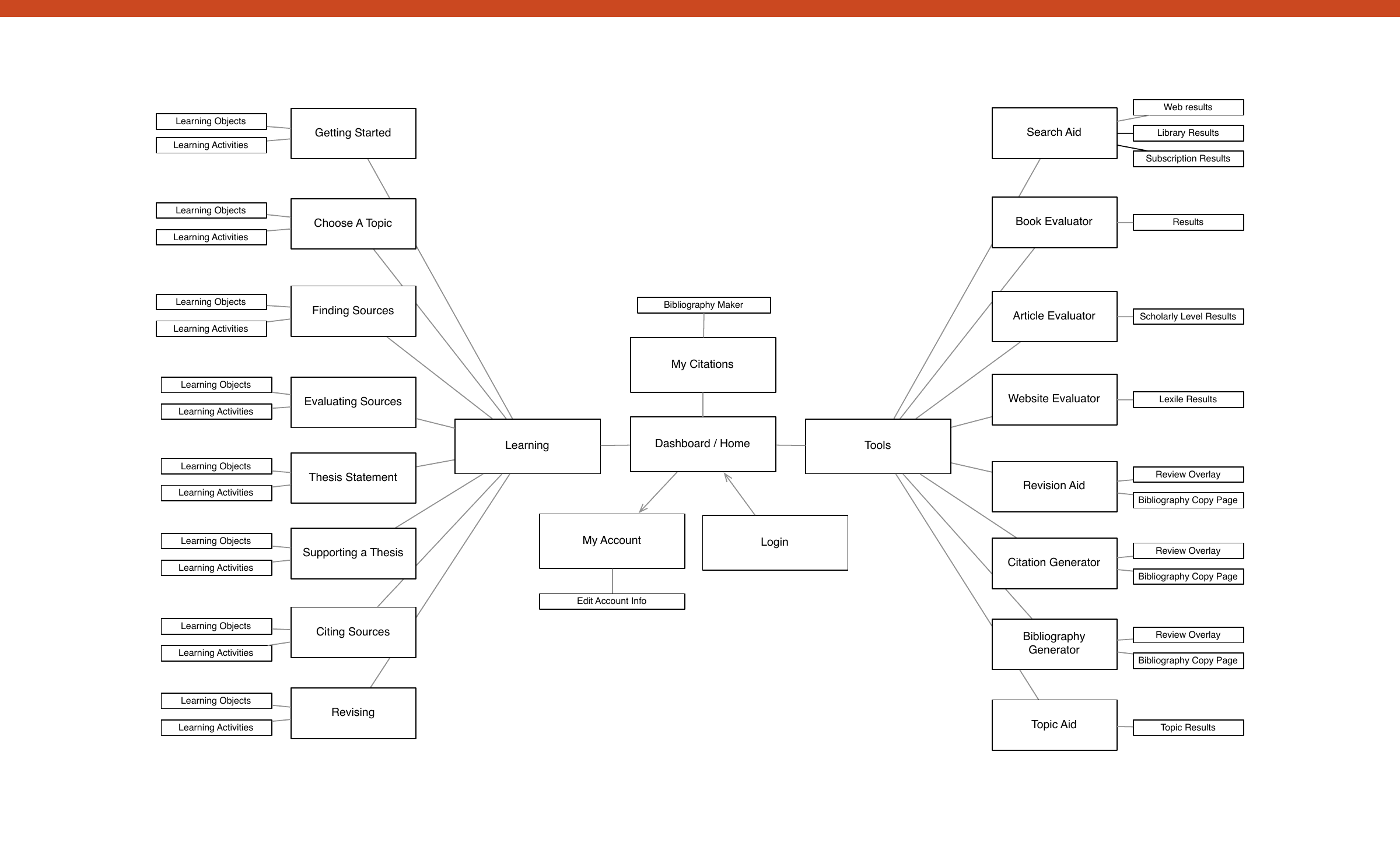
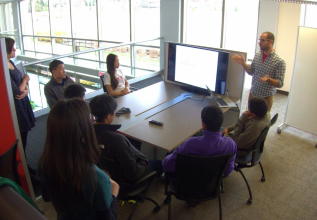
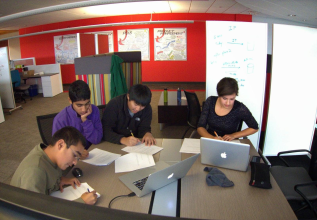
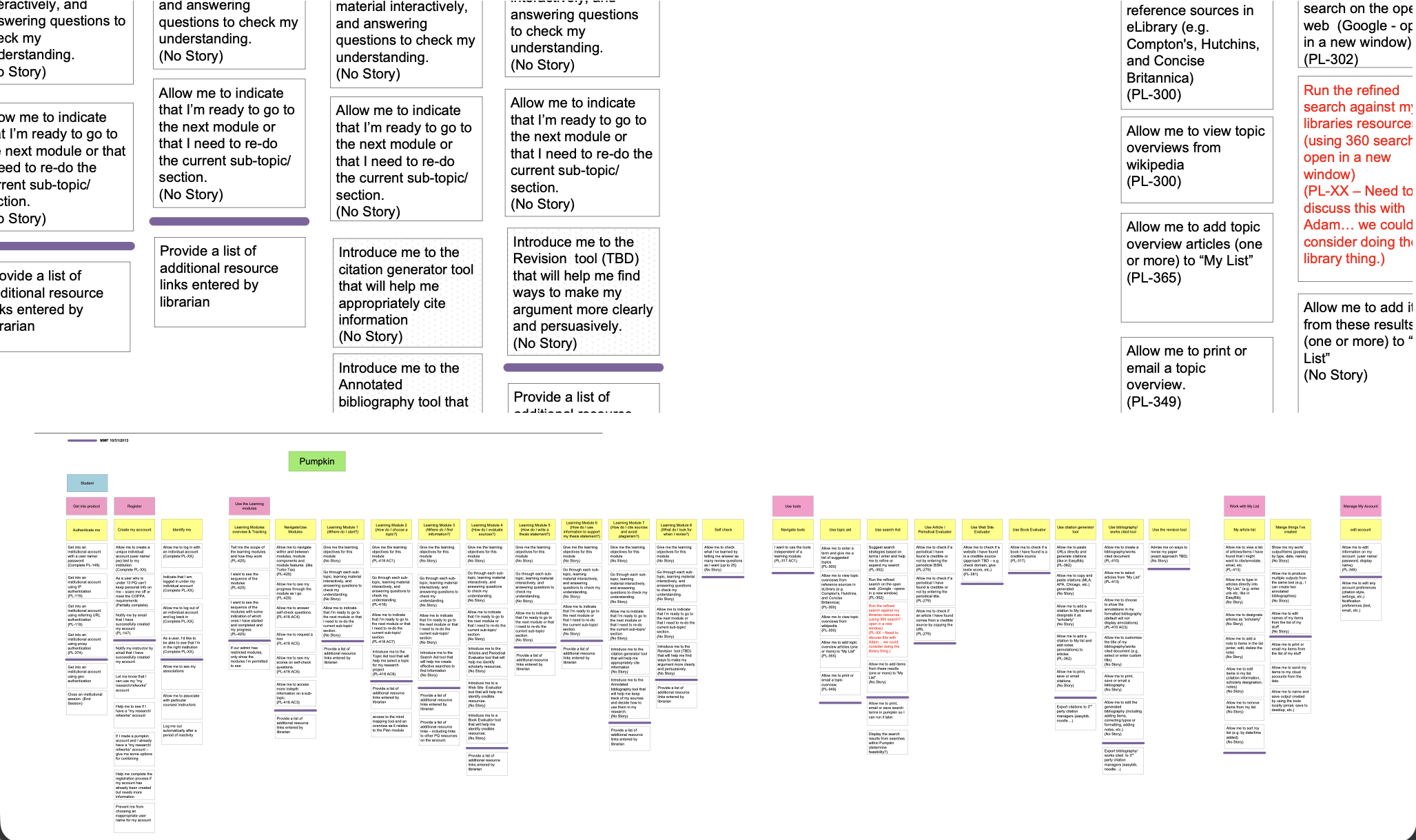
Student and teacher research surfaced the roles, handoffs, and moments of uncertainty around a substantial school research project. Early user maps, a story map, and a content strategy connected those findings to the wider product experience.
Build a guided curriculum of short videos, assessments, and source-use activities, connected to the broader research workflow. Each module could make the next useful move visible while leaving judgment and authorship with the learner.
The work connected research with curriculum and content strategy, visual production, product, and engineering. The recovered archive shows scripts and storyboards becoming Illustrator art, After Effects projects, narration, and final learning-module exports.
The product direction became a coherent learning system: a multi-module experience that helped young researchers find, evaluate, organize, and use sources while completing a first paper. The production archive preserves how that system moved from instructional intent to finished media.
Teaching research is not the same as automating it. The product should provide structure, language, and momentum while preserving the learner’s responsibility to interpret evidence and make a claim.
PROJECT EVIDENCE